Londons Dark Tourist Attractions Unveiled
Delve into the shadowy underbelly of London, where history whispers tales of tragedy, crime, and the uncanny. From notorious historical sites steeped in darkness to urban legends that linger in the city’s air, this journey unearths the city’s less-celebrated past. Prepare to be captivated by the stories of London’s darkest hours, revealing a city far more complex than its iconic landmarks suggest.
Uncover the grim realities that shaped London’s character. Explore the remnants of bygone eras, where whispers of infamous figures and tragic events still echo. This exploration promises an intriguing perspective on the capital’s evolution, revealing a hidden layer beneath the city’s glamorous facade.
Historical Sites of Darkness
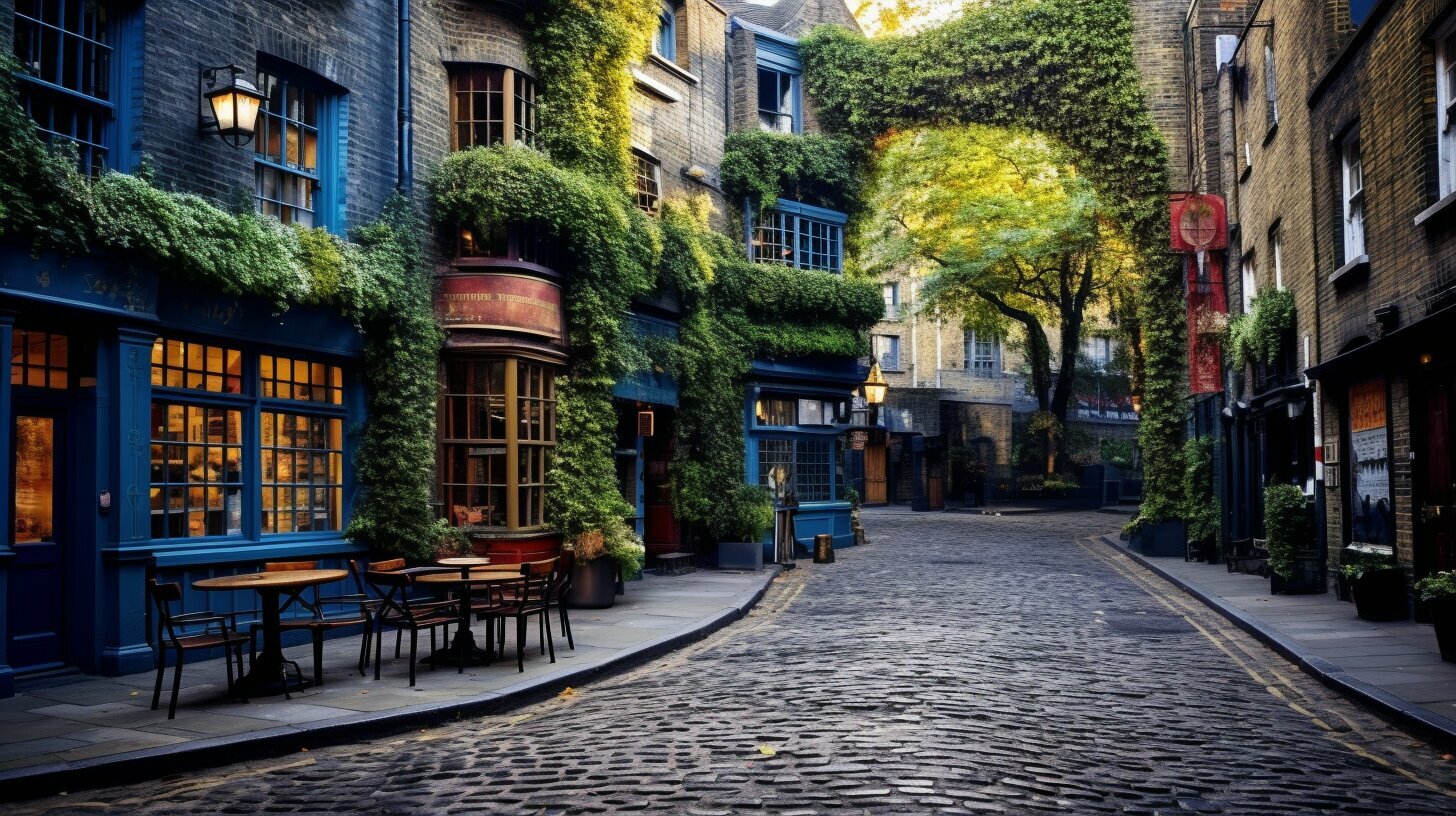
London, a city steeped in history, also boasts a darker side, a tapestry woven with tragedy, infamy, and the echoes of grim events. These sites, often overlooked in the typical tourist itinerary, offer a glimpse into the city’s less glamorous past, revealing the human cost of progress and ambition. Their tales, though grim, offer a crucial perspective on the city’s evolution and the resilience of its people.These sites, though shrouded in shadows, hold profound significance.
They serve as poignant reminders of the past, allowing us to understand the forces that shaped London into the vibrant metropolis it is today. From the brutal realities of past conflicts to the hidden stories of crime and punishment, these locations stand as testaments to human experience, both the glorious and the horrifying.
London’s Notorious Historical Sites
London’s history is a complex narrative, and its darker chapters are integral to its identity. These locations, once centers of activity and drama, now stand as silent witnesses to the trials and tribulations of generations past. They remind us that even in the heart of progress, shadows linger.
- The Tower of London: Beyond its crown jewels and iconic ravens, the Tower holds a chilling history. It served as a royal palace, a prison, and a place of execution. From the imprisonment of royalty to the grisly tales of beheadings, the Tower’s walls have witnessed countless tragedies. Many notable figures met their end within its walls, including Anne Boleyn and Thomas More.
- Newgate Prison: This notorious prison, standing for centuries, held countless criminals, debtors, and political prisoners. Its grim history is punctuated by stories of torture, brutality, and the despair of those condemned to its cold stone walls. Newgate’s presence served as a stark reminder of the harsh realities of justice and punishment in bygone eras.
- The Smithfield Market: Though now a bustling food market, Smithfield once held a far more grim purpose. It was the site of numerous public executions, particularly during the Tudor and Stuart periods. The very ground beneath the market’s stalls has witnessed the final moments of countless condemned individuals. The site evokes a sobering reflection on the brutality of public punishment.
A Tale of Two Sites: Tower of London vs. Newgate Prison
Comparing the Tower of London and Newgate Prison reveals contrasting facets of London’s historical darkness.
| Location | Event | Date | Description |
|---|---|---|---|
| Tower of London | Imprisonment and Execution of Anne Boleyn | 1536 | Anne Boleyn, the second wife of Henry VIII, was accused of treason and executed at the Tower of London. |
| Newgate Prison | Public Executions | Various, 16th-19th centuries | Newgate Prison witnessed numerous public executions of criminals, serving as a chilling reminder of the harsh punishments of the time. |
| Tower of London | Imprisonment of Princes | 1483 | The young princes, Edward V and Richard, were imprisoned in the Tower of London and believed to have been murdered. |
| Newgate Prison | Imprisonment of Political Prisoners | Various, 17th-19th centuries | Newgate held numerous political prisoners, including those opposing the monarchy or involved in revolutionary activities. |
The Tower, a symbol of royal power, also held a darker side, marked by executions and imprisonment. Newgate, a symbol of the justice system, was a place of brutal punishment, where many lost their lives. Both locations represent different facets of London’s past, highlighting the complexities of its history.
Crime and Punishment in London

London, a city steeped in history, has also witnessed its fair share of darkness. From the shadowy alleys of the past to the modern-day metropolises, crime has been a constant companion, shaping the city’s social fabric and inspiring tales of both notorious villains and valiant law enforcement. This chapter delves into the fascinating and often gruesome history of crime and punishment in London, exploring how these forces have evolved over the centuries.
A History of Criminal London
London’s history is punctuated by periods of intense criminal activity, often reflecting the social and economic conditions of the time. The 18th century, for instance, saw the rise of a brutal underworld, with pickpockets, highwaymen, and thieves thriving in the crowded streets. This era saw an explosion in crime partly due to the burgeoning industrial revolution and the resulting poverty and social unrest.
The subsequent centuries brought a slow but steady evolution of policing and criminal justice, influenced by both technological advancements and changing societal values.
Notorious Criminals and Their Tales
London has produced its fair share of infamous figures, each with their own unique story of crime and punishment. Jack the Ripper, a phantom figure of the late 19th century, terrorized Whitechapel, leaving a trail of brutal murders that remain unsolved to this day. His crimes, and the relentless pursuit of his identity, are a chilling reminder of the power of the criminal mind.
Similarly, figures like Sweeney Todd, the fictional barber-murderer, though a work of fiction, tapped into the public’s fear and fascination with such figures. These figures captured the imagination, and the reality of criminal acts, forever leaving their mark on London’s narrative.
Evolution of Policing and Criminal Justice
London’s policing and criminal justice systems have undergone a dramatic transformation over the centuries. Early policing efforts were often haphazard and ineffective, with a focus on immediate response rather than long-term strategies. The development of modern police forces, including the Metropolitan Police, marked a significant shift towards organized and professional law enforcement. This evolution has continued, with the modern era seeing the introduction of forensic science, advanced investigation techniques, and a greater emphasis on rehabilitation and restorative justice.
Methods of Punishment Through the Ages
Punishments for crime have varied greatly across different eras in London. The 18th and 19th centuries were particularly harsh, with public executions, mutilations, and transportation to penal colonies being common. The public spectacle of these punishments served as a deterrent, though it often led to more brutality and a cycle of violence. Later periods witnessed a gradual move towards more humane and rehabilitative approaches, though the debate on the best way to deter and punish crime continues to this day.
Impact on London’s Social Fabric
Crime, throughout London’s history, has significantly impacted the social fabric of the city. The fear of crime can lead to social segregation, economic hardship, and a loss of trust in institutions. The response to crime, whether through punitive measures or social reforms, often reflects the prevailing social values and attitudes of the time. For example, the fear of pickpockets in the crowded streets of 18th-century London led to a greater awareness of personal safety and social controls.
Famous Criminals and Their Crimes
| Name | Crime | Consequences |
|---|---|---|
| Jack the Ripper | Multiple murders in Whitechapel | Unsolved; notoriety |
| Sweeney Todd (fictional) | Murder and dismemberment of victims | Fictional; powerful symbol of criminal violence |
| The Krays (Ronnie and Reggie) | Gang violence, racketeering | Imprisonment |
| William Palmer | Murder of several victims | Executed |
Urban Legends and Ghost Stories

London, a city steeped in history, is also a city of whispers and shadows. Tales of spectral figures haunting ancient halls and eerie occurrences in forgotten corners have captivated imaginations for centuries. These urban legends and ghost stories, often intertwined with the city’s past, provide a fascinating glimpse into London’s culture and psyche. They’re more than just spooky stories; they’re echoes of the past, woven into the very fabric of the city.These stories, passed down through generations, have evolved and adapted, reflecting societal anxieties and beliefs.
They offer a unique lens through which to understand the city’s history, from the fear of the unknown to the fascination with the supernatural. These tales, whether rooted in fact or fiction, serve as potent reminders of London’s enduring spirit and the enduring power of storytelling.
Common Themes in London’s Ghost Stories
London’s ghost stories are diverse, encompassing a range of themes, from tragic deaths to forgotten secrets. These tales often intertwine with historical events, adding another layer of intrigue and mystery.
Famous Ghosts and Hauntings
Numerous locations in London are associated with specific spectral figures. These stories have become ingrained in the city’s folklore, attracting visitors eager to experience the eerie atmosphere firsthand.
Table of Popular Ghost Stories and Locations
| Location | Story | Source |
|---|---|---|
| The Tower of London | The White Lady, a spectral figure believed to be the ghost of a former warder’s wife, wanders the castle grounds, said to be seen in the vicinity of the Bloody Tower. | Various historical accounts and folklore |
| The Houses of Parliament | A spectral figure, sometimes described as a woman in white, is said to haunt the halls, connected to the tragic death of a former member. | Eyewitness accounts and local legends |
| The British Museum | Stories of a malevolent spirit said to haunt the museum, possibly associated with a historical figure who met a tragic end. | Anecdotal evidence and local folklore |
| The Fleet Prison | The prison’s dark history is entwined with accounts of spirits haunting the cells, particularly associated with the horrific conditions and numerous deaths that occurred within its walls. | Historical records and local folklore |
The Evolution of London’s Ghost Stories
London’s ghost stories have been passed down through generations, evolving and adapting to reflect changing societal beliefs. Early stories often focused on supernatural explanations for unexplained events. As the city grew and changed, so did the stories, incorporating elements of crime, tragedy, and social anxieties. This evolution reveals the dynamic interplay between history and folklore.
Cultural Significance of London’s Ghost Stories
London’s ghost stories reflect the city’s rich history and cultural heritage. They are more than just entertainment; they are a reflection of London’s past, present, and future. These tales offer a unique lens through which to understand the city’s anxieties, hopes, and aspirations. They speak to our fascination with the unknown, the human desire to understand the mysteries that surround us.
The stories offer a potent reminder of the city’s enduring spirit. These tales also offer a way to connect with the past, to imagine the lives of those who came before us, and to reflect on our own place within the city’s grand narrative.
Questions and Answers
What are some popular London ghost stories?
London boasts a plethora of ghost stories, from the spectral figures haunting the Tower of London to the eerie whispers echoing through historic mansions. Stories vary from spectral sightings to chilling tales of tragic deaths. Researching these accounts can offer a fascinating glimpse into London’s haunted past.
How can I plan a dark tourism itinerary?
Planning a dark tourism itinerary requires careful consideration. Research historical sites, notorious crimes, and locations associated with urban legends. Combining these interests can craft a unique and memorable tour. Consider using online resources, historical societies, and even local guides to curate a personalized experience.
Are there any specific tours focused on dark tourism in London?
Many tour operators offer guided tours specifically focusing on London’s dark history, including ghost tours, crime walks, and historical explorations. These tours often offer an immersive and engaging experience, providing insights into the city’s hidden past. Checking online booking platforms and travel agencies is a great place to find suitable options.
What are some ethical considerations when engaging in dark tourism?
Respect for the victims and sensitivity to the historical context are key ethical considerations. Avoid sensationalizing or trivializing tragic events. Focus on learning from the past while honoring the stories and individuals affected by these events. Remember to be respectful of the locations and the narratives they embody.


