Indias Dark Tourism Sites A Journey Through Historys Shadows
Ever wondered what secrets lurk beneath India’s vibrant tapestry of history? Prepare to delve into the chillingly captivating world of dark tourism sites, where the echoes of tragedy and triumph intertwine. From ancient battlefields to forgotten palaces, these locations whisper tales of bygone eras, offering a unique and often unsettling perspective on India’s past.
This exploration will unravel the historical significance of these sites, examining the cultural and societal impact they’ve had, and how they continue to shape our understanding of Indian identity. We’ll delve into the diverse themes and emotional responses visitors experience, and how these sites reflect the human condition. Finally, we’ll bridge the past to the present, considering how contemporary interpretations of these sites reflect our modern concerns and perspectives.
Historical Significance of Dark Tourism Sites in India

India, a land of vibrant colours and ancient stories, also holds within its tapestry a darker side, etched in the blood and sorrow of its past. These sites, often places of violence, tragedy, or historical conflict, offer a unique lens through which to understand the nation’s complex history. From the echoes of rebellion to the haunting memories of empire, dark tourism in India provides a powerful reminder of the human cost of progress and power struggles.
A Glimpse into India’s Shadowy Past
India’s dark tourism sites, often overlooked in favour of glittering temples and majestic palaces, whisper tales of empires risen and fallen, battles fought and lost. These locations, once vibrant centres of activity, now bear the scars of history, serving as poignant reminders of the past. They are not just places; they are portals to understanding the socio-political landscapes that shaped modern India.
The stories they tell are crucial to comprehending the evolution of national identity and the enduring impact of historical events.
Historical Context of Notable Dark Tourism Sites
The following table provides a glimpse into the historical context of some significant dark tourism sites in India. These sites, though marked by tragedy, are invaluable windows into the nation’s past. They offer a unique opportunity to grapple with difficult truths and understand the forces that shaped the country we know today.
| Site | Historical Period | Key Figures/Events | Cultural/Societal Impact |
|---|---|---|---|
| Jallianwala Bagh (Amritsar) | 1919 | The infamous 1919 massacre of unarmed civilians by British troops. | This event profoundly impacted the Indian independence movement, igniting nationalistic fervor and solidifying the call for self-governance. It remains a potent symbol of British colonial brutality. |
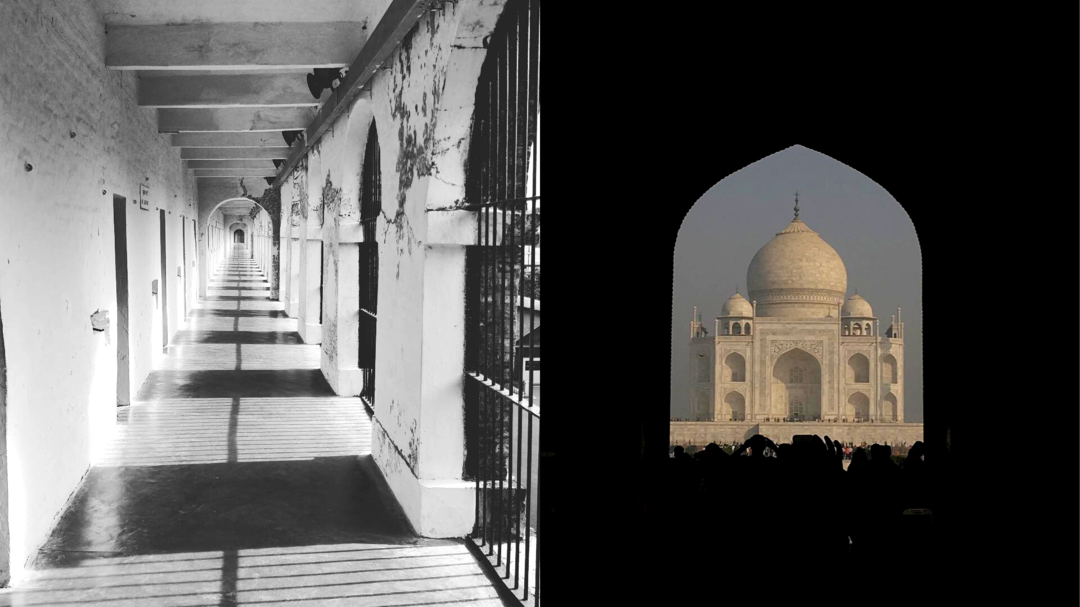
| The Cellular Jail (Andaman and Nicobar Islands) | 19th & 20th Centuries | Imprisonment of political prisoners, including freedom fighters, during British rule. | The Cellular Jail symbolizes the struggle for independence and the resilience of the Indian people. It is a stark reminder of the sacrifices made in the pursuit of freedom. |
| The site of the 1857 Sepoy Mutiny | 1857 | The first major armed rebellion against British East India Company rule. | The mutiny was a turning point in India’s history, marking the beginning of a more organized and unified struggle for independence. It highlighted the growing resentment towards British policies and the desire for self-rule. |
| The Babri Masjid demolition site (Ayodhya) | 1992 | The demolition of the Babri Masjid, a historical mosque, sparked communal violence. | The event deeply fractured Indian society along religious lines, highlighting the complex and often violent interplay of religious identities and national narratives. |
Shaping National Narratives and Identities
Dark tourism sites play a crucial role in shaping national narratives and identities. These sites are not simply historical landmarks; they are living testaments to the human experience, the resilience of the spirit, and the consequences of past actions. They offer a platform for dialogue and reflection, allowing visitors to engage with the complex history of India. Visiting these sites is an opportunity to learn, reflect, and understand the evolution of Indian national identity.
Exploring the Themes and Experiences of Dark Tourism in India
India’s history, etched in blood and glory, whispers tales of resilience, sacrifice, and often, unspeakable horrors. Dark tourism, a peculiar yet compelling facet of travel, allows us to confront these shadowy chapters, not to revel in tragedy, but to understand the human experience in all its complexities. From the echoes of rebellion to the chilling silence of forgotten empires, these sites offer a unique lens through which to view India’s past.A journey through India’s dark tourism sites is more than just a visit; it’s a visceral exploration of human nature, a chance to grapple with the darker aspects of our shared history.
It’s about acknowledging the past, not to dwell in it, but to learn from it. These sites offer a unique perspective, prompting introspection and empathy, offering profound insights into the forces that shaped India.
Common Themes in Indian Dark Tourism
India’s dark tourism sites offer a fascinating array of themes. These sites aren’t just about death and destruction; they’re about the human cost of conflict, the resilience of the human spirit, and the enduring power of memory. These locations serve as poignant reminders of the human capacity for both great cruelty and profound compassion.
- Conflict and Rebellion: Sites associated with India’s freedom struggle, such as the Jallianwala Bagh massacre site or the historical locations of rebellions, provide insights into the struggles for independence and the sacrifices made. These sites are a powerful reminder of the courage and determination of those who fought for a better future.
- Political Violence and Tyranny: Certain historical locations associated with political violence, oppression, or regimes offer a grim look at the abuse of power and the suffering inflicted upon individuals and communities. These sites stand as stark reminders of the importance of vigilance against such abuses. Sites like the historical locations of the partition riots and specific locations of historical violence offer a sobering glimpse into the tragic consequences of political extremism.
- Religious Conflicts and Intolerance: Certain religious sites associated with conflicts or persecution serve as stark reminders of the destructive power of religious intolerance. These sites offer an opportunity to reflect on the importance of tolerance and understanding between different faiths. Examples might include certain historical sites with evidence of religious persecution or sites associated with sectarian violence.
- Natural Disasters and Calamities: The devastation caused by natural disasters, such as the aftermath of the 2001 Gujarat earthquake, highlights the fragility of life and the resilience of communities in the face of such calamities. These sites serve as a reminder of the importance of preparedness and humanitarian aid.
Emotional Responses at Dark Tourism Sites
Visitors’ emotional responses to these sites vary greatly. From somber reflection to a sense of profound loss, visitors often experience a wide spectrum of emotions. These sites often evoke feelings of sadness, anger, and even a sense of awe at the human spirit’s capacity for both creation and destruction. The visitor’s emotional response is shaped by their own personal experiences and beliefs, their level of knowledge about the event or location, and the way the site is presented.
- Awe and Wonder: While dark, these sites can sometimes inspire a sense of awe at the scale of events or the human capacity for resilience. The sheer size of the memorials, for instance, can evoke a sense of wonder at the enormity of human tragedy and the courage of those who endured it.
- Sadness and Grief: The somber atmosphere and the accounts of suffering can trigger sadness and grief, prompting introspection and empathy. Visiting sites associated with mass deaths or conflict often evoke a profound sense of loss and sorrow.
- Anger and Frustration: The injustices and atrocities depicted at some sites can evoke feelings of anger and frustration, motivating visitors to confront the root causes of violence and injustice.
- Hope and Inspiration: The resilience and strength shown by individuals and communities in the face of adversity can spark hope and inspiration. These sites, while grim, also offer a chance to learn from the past and strive for a better future.
Human Experience Reflected in Dark Tourism Sites
The human experience is multi-faceted, and these sites reflect it in a powerful way. From the resilience of individuals facing hardship to the tragic consequences of conflict, the stories etched in these locations offer a deeper understanding of the human condition. These places are more than just monuments; they are testaments to our shared history and our enduring struggle to understand ourselves.
Comparison of Themes Across Dark Tourism Sites
| Dark Tourism Site | Primary Themes | Emotional Responses | Human Experience Highlights |
|---|---|---|---|
| Jallianwala Bagh | Conflict, Rebellion, Political Violence | Sadness, Anger, Reflection | Resilience of the human spirit in the face of oppression |
| Partition Sites | Political Violence, Religious Conflict, Displacement | Grief, Loss, Confusion, Anger | The human cost of political division and religious intolerance |
| Historical War Sites | War, Conflict, Loss of Life | Sadness, Awe, Respect, Reflection | The devastating consequences of conflict and the importance of peace |
Modern Perspectives and Interpretations of Dark Tourism in India
From the chilling tales of forgotten empires to the haunting echoes of tragic events, India’s dark tourism sites offer a unique lens through which to view the past. But how do modern eyes perceive these places? Contemporary interpretations often delve into the societal anxieties and issues that resonate with our time, transforming these historical sites into more than just relics of the past.The way different generations interact with these sites reveals a fascinating evolution in how we understand history.
Older generations might be more attuned to the historical context, while younger ones may be more inclined to explore the symbolic meaning and social implications. This modern lens provides a crucial framework for understanding how the past shapes our present and future.
Contemporary Reflections of Societal Concerns
Modern interpretations of dark tourism sites in India frequently connect historical events to contemporary societal concerns. The stories of oppression and social injustice, for example, resonate deeply with modern discussions of inequality and discrimination. This is particularly evident in sites linked to colonial history, where visitors might grapple with the lingering effects of past exploitation. The sheer magnitude of suffering depicted in these locations often sparks discussions about systemic issues and the importance of social justice.
Generational Differences in Perception
Different generations approach dark tourism sites with varied perspectives. Older generations, having lived through or witnessed the events, might view the sites with a sense of profound sadness or even a certain nostalgia, a personal connection to the past. Younger generations, on the other hand, may find themselves confronted with a more critical and complex perspective. They might analyze the site through the lens of social justice or cultural sensitivity.
This difference in perception fosters a fascinating interplay of memories and modern interpretations.
Significance in Contemporary Historical Narratives
Dark tourism sites in India are not just places of historical significance; they also play a critical role in shaping contemporary historical narratives. They provide a platform for examining past injustices and exploring the implications of these events on contemporary society. The sites serve as powerful reminders of the human cost of conflict, political oppression, and social inequalities, offering valuable insights into the enduring impact of these events.
Evolution of Narratives at Specific Sites
| Site | Historical Interpretation | Modern Interpretation |
|---|---|---|
| Jallianwala Bagh | A site of British brutality during the Indian independence movement. | A powerful symbol of state violence and the struggle for civil rights, sparking discussion about the legacy of oppression and the need for accountability. |
| Chhatrapati Shivaji Maharaj Terminus (formerly Victoria Terminus) | A grand railway station showcasing British architectural prowess. | A complex monument reflecting the intertwined histories of colonialism and the evolution of Indian identity. It is viewed as a reminder of the architectural legacy and the struggles for independence. |
| The Partition Sites | Sites of immense human suffering during the partition of India. | Places of remembrance for the immense human cost of religious and political divisions, with emphasis on the need for peaceful coexistence and reconciliation. |
These sites, once simply relics of the past, are now often re-evaluated through the prism of modern societal issues. This reinterpretation fosters a more nuanced understanding of the past and its impact on the present, prompting reflection and discussion.
Question Bank
What are some common misconceptions about dark tourism sites?
While these sites can be emotionally charged, it’s important to remember that they are not meant to glorify violence or tragedy. Instead, they offer a unique opportunity to understand the past and learn from it.
What precautions should visitors take when visiting dark tourism sites?
Respect the historical context of the site and maintain a respectful demeanor. Consider the sensitivities involved and try to learn about the site’s history before your visit.
Are there any specific ethical considerations when visiting dark tourism sites in India?
Absolutely. It’s crucial to be mindful of the local community and their perspectives. Avoid behaviors that could be considered disrespectful or insensitive.
How do these sites contribute to understanding India’s history?
By visiting and reflecting on these sites, we gain a deeper appreciation for the complexities of Indian history, the impact of significant events, and the evolution of societal values.


