Dark Tourism Places in the World A Grimly Good Guide
Ever felt the morbid curiosity tickle your fancy? Dive into the world of dark tourism, where history’s gruesome chapters come alive, albeit in a rather unsettling and fascinating way. From chilling concentration camps to poignant war memorials, these destinations offer a unique perspective on humanity’s darkest moments, a chance to confront the past, and maybe even gain a bit of insight into our present.
Buckle up, because this journey will be anything but boring.
This guide explores the most popular dark tourism destinations globally, analyzing the motivations behind visits and the ethical considerations involved. We’ll examine everything from the historical context of these sites to the emotional responses of visitors, while providing a crucial lens through which to view these significant but often uncomfortable places.
World’s Most Popular Dark Tourism Destinations
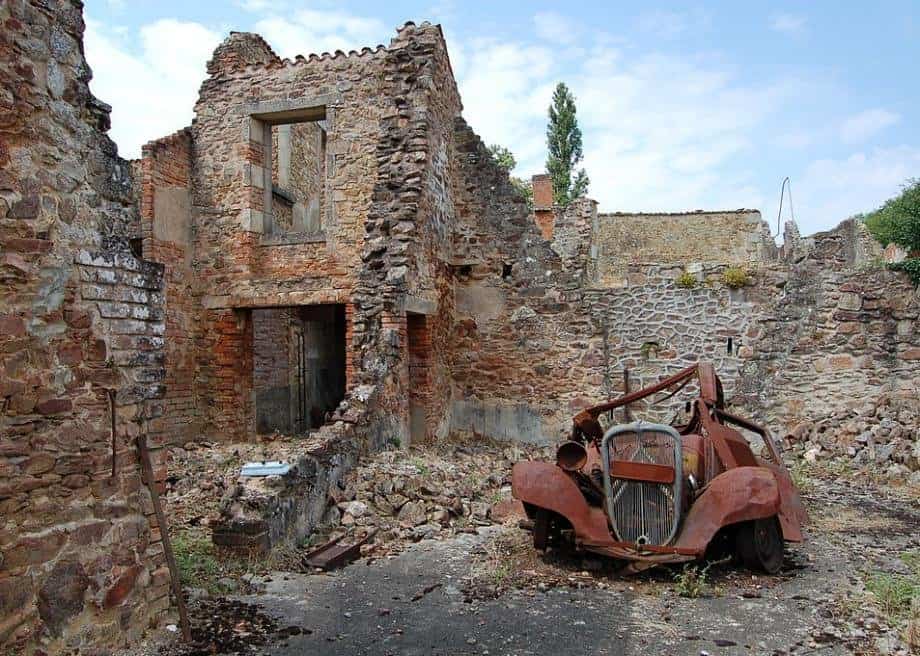
Stepping into the shadows of history, dark tourism offers a unique, albeit somber, perspective on the past. From the chilling tales of mass atrocities to the poignant reminders of human resilience, these sites provide a chillingly fascinating glimpse into our shared history. Exploring these locations allows us to grapple with the complexities of human nature and the enduring impact of conflict and tragedy.A journey through the world’s most popular dark tourism destinations unveils a tapestry of human experience, revealing the fragility of peace and the strength of the human spirit in the face of adversity.
These locations serve as potent reminders of the importance of learning from the past to build a better future.
Top 10 Dark Tourism Destinations
A curated list of the world’s most compelling sites, each etched with the scars and triumphs of humanity’s journey. These locations offer a profound opportunity for reflection, urging us to confront the past and understand the present.
| Site Name | Country | Brief Description | Reason for Popularity |
|---|---|---|---|
| Auschwitz-Birkenau Memorial and Museum | Poland | A chilling testament to the horrors of the Holocaust, this complex encompasses the former Nazi concentration and extermination camps. | Its unflinching portrayal of systematic genocide and the scale of the atrocities make it a globally recognized symbol of human suffering. |
| Hiroshima Peace Memorial Park | Japan | Honoring the victims of the atomic bombing, this park stands as a poignant reminder of the devastating consequences of war. | The stark contrast between the pre-war city and the devastation left behind is deeply moving and serves as a powerful anti-war message. |
| The Killing Fields and Choeung Ek Genocide Center | Cambodia | These sites document the Cambodian genocide, a dark chapter in history, with poignant displays of human suffering. | The sheer scale of the brutality and the efforts to preserve the memory of the victims are key factors in its appeal. |
| The 9/11 Memorial & Museum | USA | A powerful tribute to the victims of the September 11th attacks, this memorial is a solemn reflection on the events of that day. | The memorial’s design, coupled with the powerful exhibits, allows visitors to experience the loss and resilience in a profound way. |
| The Tower of London | United Kingdom | This historic castle has witnessed centuries of British history, including executions, imprisonment, and royal drama. | Its rich history, including the stories of prisoners and those executed within its walls, draws visitors to its dark side. |
| Dachau Concentration Camp Memorial Site | Germany | A stark reminder of the horrors of the Nazi regime, this former concentration camp serves as a poignant reminder of the atrocities of war. | The site’s preservation of the camp’s original structures and exhibits offers an immersive experience of this dark chapter in history. |
| The Titanic Museum Attraction | Belfast, UK | A detailed reconstruction of the ill-fated ship, offering a look into the history of the ship and the lives lost. | Its focus on the tragedy and the lives of those aboard the ship appeals to a wider audience than purely historical sites. |
| The Chernobyl Exclusion Zone | Ukraine | A stark reminder of the consequences of a nuclear disaster, this zone offers a chilling glimpse into the aftermath of the catastrophe. | The zone’s eerie silence and the lingering effects of the disaster make it a unique and unforgettable experience. |
| The Pompeii Archaeological Site | Italy | Preserving the frozen moment of the eruption of Mount Vesuvius, this site offers a chilling look at a city’s demise. | The preservation of the city as it was caught in time is a unique appeal for dark tourism. |
| The Salem Witch Trials Site | USA | Exploring the dark history of mass hysteria and accusations of witchcraft, offering a glimpse into the past. | The chilling atmosphere and the stories of those accused and executed offer a captivating glimpse into a period of intense fear. |
Visitor Experiences
These sites are designed to be more than just tourist destinations; they’re opportunities for reflection and education. Visitors often have the opportunity to engage with exhibits, tours, and historical accounts. The experience varies depending on the site, but often includes guided tours, interactive displays, and poignant memorials. For instance, the Auschwitz-Birkenau Memorial and Museum offers meticulously detailed exhibits that walk visitors through the horrors of the Holocaust.
Different Types of Dark Tourism Experiences
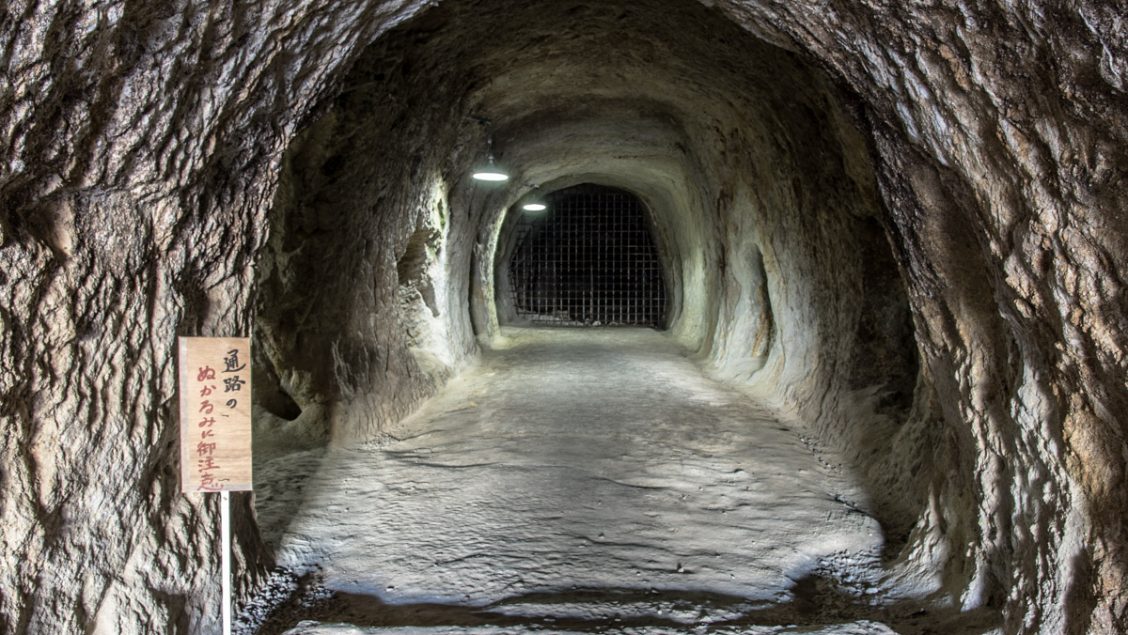
Stepping into the shadows of history, dark tourism offers a unique, albeit sometimes unsettling, perspective on humanity’s past. From the hallowed grounds of fallen empires to the haunting echoes of conflict, these sites whisper tales of tragedy, resilience, and the enduring impact of human choices. It’s a journey that often compels reflection, challenging our understanding of ourselves and our shared history.The allure of dark tourism lies not just in its macabre appeal, but also in its capacity to evoke profound emotions and encourage introspection.
Visitors seeking to grapple with the past, learn from its mistakes, or simply experience the raw intensity of human suffering are drawn to these sites, finding meaning in the stark realities of history.
War Memorials: Honoring the Fallen
War memorials, monuments erected to commemorate the sacrifices made in armed conflicts, provide a poignant space for remembrance and reflection. These sites often feature poignant displays, ranging from meticulously crafted sculptures to meticulously preserved artifacts, serving as tangible reminders of the human cost of war. The emotional response to visiting these memorials varies, from solemn reverence to a profound sense of loss and grief, particularly among those connected to the conflict.
Visiting a memorial can evoke a range of emotions, from awe and respect to a heavy sense of responsibility for preventing future conflicts.
Concentration Camps: Sites of Atrocity and Resilience
Concentration camps, sites of unimaginable suffering and systematic persecution, offer a sobering glimpse into the depths of human cruelty. These sites serve as stark reminders of the horrors of genocide and oppression, fostering a sense of empathy and encouraging reflection on the importance of human rights and social justice. Visitors often experience a profound sense of unease and discomfort, a visceral connection to the victims’ plight.
The emotional responses can vary widely, from profound sorrow and empathy to a sense of overwhelming helplessness and anger.
Crime Scenes: Examining the Dark Side of Humanity
Crime scenes, places where heinous acts have taken place, often draw curious individuals. These sites, though unsettling, offer a unique opportunity to understand the complexities of human behavior, motivation, and the aftermath of violent acts. Visitors may be motivated by curiosity, a desire to understand the circumstances surrounding the event, or a desire to learn from the tragedy. The emotional responses vary widely, from a sense of morbid fascination to profound revulsion and a feeling of profound injustice.
Historical Tragedies: Exploring the Past’s Wounds
Sites commemorating historical tragedies, like natural disasters or major societal upheavals, can offer a window into the human spirit’s resilience. These sites often feature accounts of loss, suffering, and recovery, allowing visitors to connect with the collective experience of humanity. Visitors’ emotional responses often vary, depending on the specific tragedy and the visitor’s personal connection to it, from awe and wonder to sorrow and reflection.
Categorization of Dark Tourism Sites
| Type of Historical Event | Specific Examples |
|---|---|
| War | The Battlefields of World War I, the Vietnam Veterans Memorial |
| Genocide | Auschwitz-Birkenau Concentration Camp, the Cambodian Killing Fields |
| Natural Disaster | The Pompeii Ruins, the Ground Zero Memorial |
| Historical Tragedy | The Titanic Wreck, the Chernobyl Exclusion Zone |
| Crime | The Zodiac Killer’s Crime Scene, the Jack the Ripper’s Murders Sites (hypothetical locations) |
Ethical Considerations in Dark Tourism

Stepping into the shadows of history, while intriguing, comes with a weighty responsibility. Dark tourism, while offering a glimpse into the grim realities of the past, must be approached with sensitivity and respect. It’s not just about the morbid curiosity; it’s about acknowledging the suffering and honoring the memories of those affected. This delicate balance between fascination and empathy is key to ethical dark tourism.Understanding the profound impact of dark tourism sites on local communities and the environment is crucial.
A responsible approach considers the potential harm and seeks to mitigate it, promoting respectful interaction and positive contributions. This necessitates a thoughtful consideration of the ethical implications of these visits.
Respect for Victims and Survivors
A fundamental aspect of ethical dark tourism is the respect for the victims and survivors of the events commemorated at these sites. This entails avoiding insensitive or exploitative behaviors. Instead of treating the locations as mere attractions, visitors should acknowledge the human cost behind the stories. Focusing on the narratives of the individuals affected, rather than the spectacle of the event, fosters a deeper understanding and a more profound respect.
Sensitivity to Local Communities
Dark tourism sites often lie within communities that have lived with the echoes of these events for generations. It’s essential to acknowledge and respect their sensitivities. Visitors should be mindful of local customs, traditions, and beliefs surrounding the site. For example, avoiding inappropriate or disrespectful behavior, such as taking photographs without permission or engaging in activities that might be considered offensive to the community, is crucial.
Local input should be actively sought in the development and management of the sites to ensure their experiences are prioritized.
Responsible Tourism Practices
Responsible tourism practices are vital for maintaining the integrity and sensitivity of dark tourism sites. Visitors should avoid actions that could damage the sites or disrespect the memories of those affected. This includes following guidelines set by local authorities, respecting property boundaries, and leaving the site as they found it. It also involves avoiding disrespectful or sensationalized behaviors that might trivialize the historical events.
Financial support to local communities, directly or through local businesses, contributes to a more positive and respectful experience.
Negative Impacts on Communities and the Environment
Dark tourism, if not managed responsibly, can have detrimental effects on local communities and the environment. Sites could become overly commercialized, losing their historical significance. A surge of visitors could also strain local resources, impacting the environment and the livelihoods of residents. It’s important to consider the potential for negative impacts and to plan accordingly.
Education and Reflection in Dark Tourism Experiences
Education and reflection play a critical role in enriching dark tourism experiences. Providing visitors with comprehensive information about the historical context, the victims’ stories, and the lasting impact of the events is essential. This education can lead to a deeper understanding and promote empathy. Sites could feature interactive exhibits, documentaries, or guided tours to enhance the learning experience.
Best Practices for Responsible Dark Tourism
| Aspect | Best Practice |
|---|---|
| Respecting Local Customs | Inquire about local customs and traditions surrounding the site. Be mindful of dress codes and avoid behaviors that might be considered disrespectful. |
| Avoiding Insensitive Behavior | Refrain from taking selfies or engaging in activities that trivialize the historical events. Avoid inappropriate language or actions that could be considered offensive. |
| Supporting Local Communities | Prioritize spending money at local businesses and restaurants to support local economies. Seek out local guides and support organizations dedicated to the preservation of the site’s history. |
| Leaving No Trace | Respect the environment and leave the site as you found it. Dispose of trash properly and avoid damaging historical artifacts or natural features. |
| Engaging in Meaningful Reflection | Take time to reflect on the stories and experiences of those affected by the events commemorated at the site. Seek out resources to learn more about the history and impact. |
FAQ Compilation
What are some common motivations for visiting dark tourism sites?
People visit these sites for a variety of reasons, including remembrance, education, personal reflection, and a desire to understand the past. Sometimes, it’s just a deep-seated morbid curiosity.
Are there specific ethical guidelines for visiting these sites?
Absolutely! Respect for victims, sensitivity to local communities, and responsible tourism practices are paramount. Avoid insensitive behavior, and show respect for the history and the people affected.
Can dark tourism be educational?
Absolutely. Visiting these sites can offer a powerful educational experience, helping us to understand the events that shaped our world and to learn from the past.
How can I ensure my visit is respectful?
Research the site’s history and the local community beforehand. Dress appropriately and avoid insensitive behavior. Engage with exhibits or tours thoughtfully. Respect local customs and regulations.


