Dive into Culturally Immersive Travel A Rewarding Journey
Culturally immersive travel is the key to unlocking unique experiences and deeper connections with the world. This approach invites you to engage with local activities, learn the language, and choose accommodations that allow you to respect and participate in local customs and traditions.
In this exploration, we will discuss the significance of local experiences, language learning, and accommodation choices. By the end, you’ll have a better understanding of how to make the most of your journeys and create lasting memories.
Local Experiences
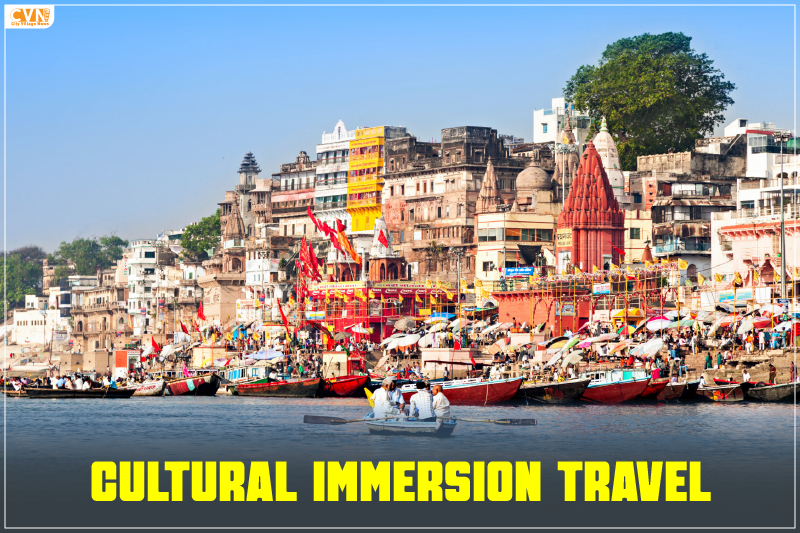
When it comes to traveling, visiting popular tourist sites and museums can only get you so far. To truly immerse yourself in the culture of the place you’re visiting, you need to engage in local activities that give you a real taste of the daily life of the people who live there.
Engaging in local experiences not only gives you a deeper understanding of the culture but also allows you to make personal connections with the people you meet along the way. This authentic interaction leads to a more memorable and fulfilling travel experience.
The Significance of Engaging in Local Activities
Participating in local activities gives you a glimpse into the soul of a place and helps you connect with the people who live there. By engaging in local experiences, you can learn the customs, traditions, and values of a culture, allowing you to interact with the locals in a more meaningful way.
Additionally, when you participate in local events and festivals, you’re supporting the local economy, which helps preserve the community’s cultural heritage. Your presence can also create a positive impact on the community, as it exposes them to new ideas and perspectives.
Five Examples of Local Experiences That Offer Cultural Immersion
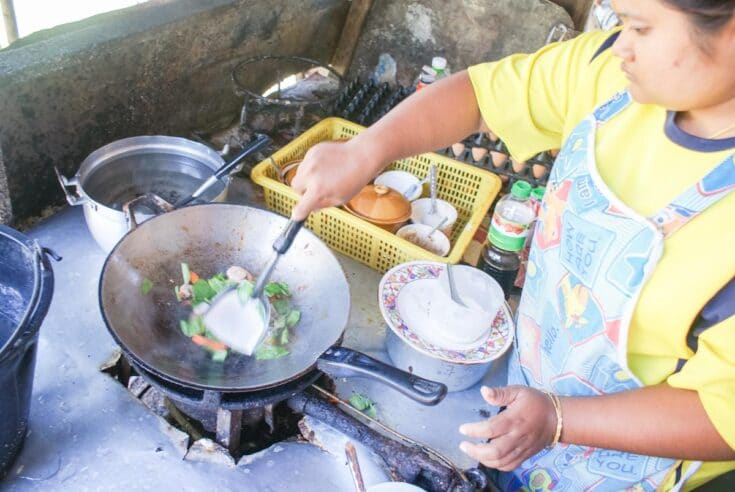
Cooking Classes: Joining a cooking class in a foreign country allows you to learn about the local cuisine and ingredients directly from the people who know it best. Not only will you get to taste delicious foods, but you’ll also learn about the customs and traditions associated with food preparation and consumption in the region.
Handicraft Workshops: Participating in handicraft workshops, such as pottery or weaving, enables you to learn about the importance of artisanal work in the local community. You’ll not only create your own unique item, but you’ll also appreciate the craftsmanship and time invested by local artisans in preserving their cultural heritage.
Farm Visits: Meeting local farmers and visiting their farms gives you a firsthand look at the agricultural practices of the region. Learning about the crops grown, the challenges faced by farmers, and the local food production systems provides insight into the community’s way of life.
Local Festivals: Attending local festivals exposes you to the customs and traditions that shape the community’s identity. These festivals often involve music, dance, food, and art, giving you a well-rounded understanding of the local culture.
Home Stays: Living with a local family in their home allows you to observe local customs and daily routines. You’ll have the opportunity to share meals, conversation, and experiences with your hosts, creating a bond that goes beyond a simple travel encounter.
The Benefits of Participating in Local Events and Festivals
Participating in local events and festivals provides numerous benefits, including:
Connection to Community: Festivals and events bring people together, fostering a sense of unity and belonging. When you participate, you’re not just an observer—you’re part of the celebration and contribute to the community’s collective experience.
Cultural Insight: Festivals and events provide a unique showcase of the community’s customs, traditions, and values. By attending, you can learn about the local culture in a lively and engaging atmosphere, making the experience more memorable and enjoyable.
Networking Opportunities: Attending local events and festivals can lead to connections with like-minded people from around the world. These relationships can foster a global community of individuals dedicated to preserving and celebrating cultural diversity.
A Personal Story of a Culturally Immersive Local Experience
One of my most memorable travel experiences was a farm visit I took in rural Turkey. I had the opportunity to meet local farmers and learn about the crops they grow, as well as the challenges they face in the region. The experience allowed me to understand the importance of agriculture in the community and appreciate the resilience and hard work of the farmers.
It was a truly inspiring and enriching experience, and it gave me a newfound respect for the people and the land where my food comes from.
Language Learning

Language Learning is an essential aspect of cultural immersion. It reflects a traveler’s respect for the local community and facilitates deeper connections with the locals. By learning the local language, you can navigate the area more comfortably, enjoy local conversations, and appreciate the cultural nuances of the place you’re visiting.
The Importance of Learning the Local Language
Learning the local language is more than just understanding words and phrases. It’s a gateway to the culture, traditions, and history of the place. It shows a level of respect and interest in the local community that transcends superficial tourism. Moreover, it enhances safety, independence, and flexibility during your travels.
A Step-by-Step Method for Language Learning While Traveling
Here’s a practical guide to learning a language while traveling:
- Start with basics: Learn alphabets, numbers, greetings, and common questions.
- Use language learning apps: Choose an app that suits your learning style. (Details below)
- Practice with locals: Engage in conversations with locals. Start with simple topics and gradually move to more complex ones.
- Immerse yourself: Try to think and communicate in the local language as much as possible.
- Consistency is key: Set aside time each day for language learning.
Comparing and Contrasting Language Learning Apps for Travelers
There are numerous language learning apps available, each with its strengths and weaknesses. Here are three popular ones:
| App | Strengths | Weaknesses |
|---|---|---|
| Duolingo | Free, user-friendly, gamified learning | Limited conversational practice, slower progress for complex languages |
| Rosetta Stone | Immersive approach, focuses on pronunciation | Expensive, less structured learning for some languages |
| Babbel | Conversation-focused, affordable, good for beginners | Limited language options, less immersive than Rosetta Stone |
Common Phrases That Facilitate Cultural Immersion
Here are some common phrases that can help you connect with the local culture:
Hello/Goodbye
-A simple but powerful way to start a conversation.
Please/Thank you
-Expressing gratitude goes a long way in building relationships.
Excuse me/I’m sorry
-These phrases show respect and humility.
I don’t speak [language] well
-A humble admission that can lead to understanding and patience from locals.
Can you help me?
-A request for assistance that can often lead to enriching experiences.
Accommodation Choices
Your choice of accommodation plays a significant role in your culturally immersive travel experience. Different types of lodgings provide varying degrees of interaction with local communities and exposure to their customs and lifestyles.
Accommodation options directly influence your level of cultural immersion, as they can range from completely isolated resorts to intimate homestays in local neighborhoods. By carefully selecting your lodging, you allow yourself the opportunity to delve deeper into the daily lives of the people living in your chosen travel destination.
Accommodation Types Promoting Cultural Immersion
- Homestays: Homestays provide an excellent opportunity to engage with local families and learn about their traditions, customs, and daily routines. By living under the same roof as your hosts, you will be exposed to authentic, first-hand experiences of the local culture.
- Bed-and-Breakfasts (B&Bs): B&Bs often reflect the unique character and charm of the local community, providing an atmosphere that can lead to memorable connections with the hosts and fellow travelers. These often family-owned establishments frequently offer a warm and inviting environment that encourages conversations about the local area, its customs, and traditions.
- Eco-lodges: Eco-lodges foster environmental stewardship and promote community engagement, allowing you to immerse yourself in the local culture. Frequently situated in remote areas, these accommodations offer a chance to interact with local guides and learn about their connection to the land and its preservation.
Advantages and Disadvantages of Homestays for Travelers
Homestays, as mentioned earlier, are an excellent way to dive into the local culture. The advantages of homestays include:
Increased language learning opportunities and exposure to local dialects and accents.
Access to home-cooked meals, showcasing regional ingredients and traditional cuisine.
Authentic cultural experiences through direct interaction with the host family.
While homestays offer unique cultural insights, they might present some disadvantages:
Lack of privacy and a need to adapt to the host’s schedule.
Potentially uncomfortable living conditions if not accustomed to local standards.
Limited access to modern amenities depending on the remote location of the homestay.
Respecting Local Customs and Traditions in Accommodations
To ensure a respectful and immersive stay in any accommodation, consider the following:
Familiarize yourself with local etiquette before your arrival and abide by it during your stay.
Learn a few basic phrases in the local language, such as greetings and thanks, and utilize them during your interactions with the hosts and community.
Support the local economy by purchasing locally made products and engaging in community-based initiatives.
Detailed FAQs
How do local experiences contribute to cultural immersion?
Local experiences, such as attending events and festivals or participating in customary activities, offer first-hand insights into the culture and help create lasting connections.
What are some effective language learning methods for travelers?
Language learning apps, such as Duolingo and Babbel, can be helpful, but immersion through conversation with locals is the most effective method for grasping a new language.
Which accommodation types promote cultural immersion?
Homestays, locally-owned hotels, and rentals in residential areas offer opportunities to engage with locals and learn about their customs and traditions.
How can I respect local customs and traditions while staying in accommodations?
Research local customs and traditions, be mindful of dress codes, use provided amenities properly, and maintain a clean and quiet environment to show respect.


