Dive into Unique Travel Experiences Japans Hidden Gems
Welcome to a wild ride through the Land of the Rising Sun! Buckle up for a whirlwind tour of traditional Japanese ryokans, quirky capsule hotels, and enchanting themed hotels that’ll make your head spin. Let’s venture off the beaten path to uncover hidden gems and immerse ourselves in local festivals that radiate with seasonal beauty. This journey is jam-packed with unforgettable stories and unparalleled experiences.
Brace yourself as we dive headfirst into a world where ancient traditions and cutting-edge technology collide, creating a kaleidoscope of colors that will dazzle your senses. Get ready to indulge in thrilling tales that will make you yearn for your own extraordinary adventure in Japan.
Unique Accommodations in Japan

Welcome to the wacky and wonderful world of Japanese accommodations! Leave your preconceived notions of hotels at the door, because you’re in for a wild ride. From centuries-old traditions to futuristic pods, Japan has it all.
Traditional Ryokans – Step Back in Time
Ryokans are traditional Japanese inns that have been around for centuries. They offer a unique cultural experience, complete with tatami-matted rooms, communal baths, and kimono-clad staff. Slip into a yukata (a casual version of the kimono), sip green tea, and soak in the soothing hot springs. It’s like stepping back in time, minus the dirty feet and body odor.
Unconventional Accommodations – Small Budget, Big Experience
If you’re on a tight budget, or just want to try something new, Japan has got you covered. Capsule hotels, for instance, offer tiny, individual rooms (capsules) that are just big enough for a single bed. It’s like sleeping in a high-tech, human-sized sarcophagus. But don’t worry, you won’t be buried alive – just close the lid, enjoy the peace and quiet, and get some well-deserved shut-eye.Temple stays are another unique option.
For a small fee, you can stay in a Buddhist temple, participate in temple activities, and enjoy vegetarian meals prepared by the monks. It’s a great way to immerse yourself in Japanese culture, learn about Buddhism, and reconnect with your inner self. Just remember to keep your inner demons in check – you’re a guest in a holy place, after all.
Themed Hotels – Nerd Paradise
Gamers, anime fans, and otakus, rejoice! Japan is home to a variety of themed hotels that cater to your interests and obsessions. From gaming hotels with rooms filled with consoles and arcade machines, to anime hotels with walls adorned with your favorite characters, you’ll feel like you’ve died and gone to nerd heaven. Just don’t forget to leave your social life (and the real world) behind.
Booking These Unique Accommodations – It’s All in the Details
Booking these unique accommodations is relatively easy, thanks to the wonders of the internet. Websites like Japanican, Booking.com, and Airbnb have a wide selection of ryokans, capsule hotels, temple stays, and themed hotels. Just remember to read the fine print, as some of these accommodations have specific rules and regulations – no wearing shoes inside the ryokan, no overnight guests in the capsule hotel, no touching the anime characters (seriously, don’t).When booking, consider the location, price, and amenities.
Will you be close to public transportation? Are there any restaurants or convenience stores nearby? Does the price include meals or activities? These are important questions to ask yourself, as you don’t want to be left stranded in the middle of nowhere, or stuck with an empty stomach and a bored mind.
Off the Beaten Path Destinations
Ever dreamt of escaping the crowds and diving into the authentic Japanese culture? Well, pack your bags, because we’re about to uncover some hidden gems that’ll make your trip unforgettable!Japan is not just about Tokyo’s busy streets or Kyoto’s temples. This country hides a myriad of unique and lesser-known prefectures that offer extraordinary cultural experiences. Let’s embark on a week-long adventure in rural areas where traditional Japanese lifestyle and activities thrive, unearthing hidden treasures like abandoned villages and underrated hot springs 🌸.
Tottori: A Sand Dune Paradise
Located on the coast of the Sea of Japan, Tottori Prefecture is home to the mesmerizing Tottori Sand Dunes. These dunes, the largest in Japan, offer camel rides, paragliding, and a breathtaking view of the sunset. Don’t miss the nearby Sand Museum, hosting impressive sand sculptures from international artists.
Shimane: The Land of Legends and Stars
Shimane Prefecture is steeped in mythology and spirituality. Visit Izumo Taisha, Japan’s oldest and most important Shinto shrine, where deities from all over Japan gather every October. Stargaze at the Oki Islands, part of the UNESCO Global Geoparks Network, or experience the mysterious “A Night of the Moon Viewing” festival in Matsue, the city of waterways and haiku.
Yamaguchi: A Blend of History and Artistry
Yamaguchi Prefecture boasts an impressive historical and artistic heritage. Explore the breathtaking Kintai Bridge in Iwakuni or wander around the majestic Hagi Castle Town. Delve into Japan’s only World Heritage-listed Christian center in Nagato, and indulge yourself in the elegant tea ceremony at the Akiyoshidai Karst Plateau.
Kagoshima: The Land of Fire and Buddhas
Welcome to the southern tip of Kyushu, where volcanic landscapes and spiritual serenity blend seamlessly. Embark on a journey to Sakurajima, an active volcano whose lava flows create surreal landscapes. Discover the serene Chiran Peace Museum, dedicated to the WWII Kamikaze pilots. Top it off with a visit to the 88-foot-tall Buddha statue of Shōfuku-ji Temple 🙏.
Abandoned Villages: A Glimpse into Japan’s Past
Don’t shy away from the eerie allure of ghost towns. Visit the untouched Hashima Island, an abandoned coal-mining facility that will make you feel like you’re in a dystopian movie (seriously, it inspired a Bond villain’s lair!). Dive into the hauntingly beautiful Kitakyushu’s Mojiko Retro, where Western-style architecture meets the silence of time ♿.
Underrated Hot Springs: Soak in Style
Who doesn’t love onsen? Japan hosts thousands of hot springs, but some are just less crowded. Visit the tantalizing Nyuto Onsen village in Akita, where you’ll find seven uniquely themed hot springs tucked away in the mountainside. Or indulge yourself in the stylish, yet hidden, Kinugawa Onsen, only 90 minutes from Tokyo, filled with budget-friendly art hotels and delicious local cuisine.Now you’re set for an adventure off Japan’s beaten path.
Forget the crowds: it’s time to experience the authentic Land of the Rising Sun in style 🌅!
Seasonal Festivals and Celebrations in Japan
Japan is a country that boasts an array of seasonal festivals, each infused with abundant cultural significance and traditional customs. These events, which mark the passing of the seasons and the turning of the year, offer a fascinating glimpse into Japan’s rich heritage and the core values held by its people. Discover a land where the passage of time is honored and cherished through a plethora of memorable celebrations.
Hanami and Autumn Foliage Viewing: Nature’s Gorgeous Gifts
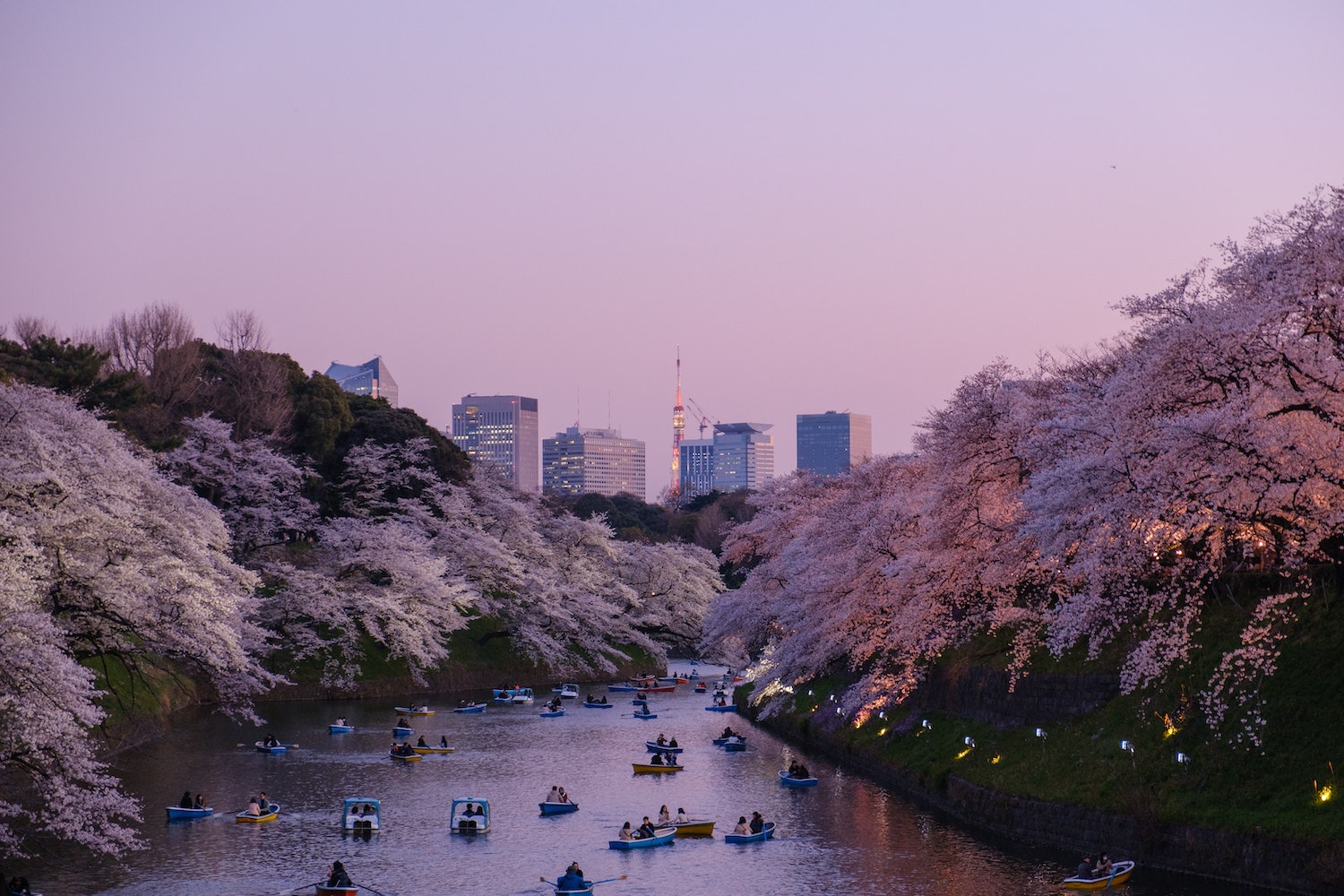
Hanami (cherry blossom viewing) and autumn foliage viewing are activities that pay tribute to the natural beauty of Japan’s flora. These traditions transcend their mere aesthetic appeal, symbolizing the ephemeral nature of life. Hanami usually takes place between March and April, while autumn foliage viewing occurs from October to December, depending on the region. Expect an atmosphere abuzz with the rustle of leaves, the scent of blooming flowers, and a kaleidoscope of colors as you delve into these pastimes.
Unique Regional Festivals: A Showcase of Diversity
Japan’s many regions are characterized by their distinct cultural practices, dialects, and customs. Regional festivals provide a fantastic opportunity to experience the diversity that exists within Japan. Examples of these unique celebrations include:
Awa Odori Festival (Tokushima, Shikoku)
A traditional dance festival held annually in August, featuring colorful floats and spirited performers.
Yuki Matsuri (Sapporo, Hokkaido)
A world-renowned snow festival held in February, featuring larger-than-life snow and ice sculptures.
Nebuta Matsuri (Aomori, Tohoku)
An August festival showcasing enormous, illuminated floats that depict famous historical figures and mythological creatures.
Tanabata Matsuri (Sendai, Tohoku)
A star festival held in July, celebrating the legend of two star-crossed lovers, Vega and Altair.
Year-Round Festivals: A Smorgasbord of Celebrations
Below is a list of various festivals that take place throughout the year. These events offer a unique blend of entertainment, spiritual observances, and regional customs. Participating in these festivals helps you delve deeper into Japan’s dynamic cultural tapestry.
- Winter Festivals: Besides the aforementioned Yuki Matsuri in Sapporo, other winter festivals include Kamakura Matsuri (Yamagata, Tohoku) in February, featuring igloo-like snow huts, and Onbashira Matsuri (Suwa, Central Japan) in April, where towering logs are ceremoniously transported.
- Spring Festivals: Apart from hanami and Tanabata Matsuri, other springtime events are the Nagoya Castle Festival (Chubu) in April, celebrating the city’s historical roots, and the Sanja Matsuri (Tokyo) in May, a Shinto festival honoring three founding deities of the city.
- Summer Festures: Enjoy the summer months by attending the Gion Matsuri (Kyoto) in July, which features processions of floats and traditional music, and the Aomori Nebuta Matsuri mentioned above. Don’t miss the Mitama Matsuri (Tokyo) in mid-July, where thousands of lanterns illuminate the Yasukuni Shrine.
- Autumn Festivals: In addition to autumn foliage viewing, you can immerse yourself in the Kishiwada Danjiri Matsuri (Osaka) in September, where elaborate carts are pulled by festivalgoers, and the Jidai Matsuri (Kyoto) in October, showcasing a grand procession of historical costumes.
How to Participate in a Japanese Festival
Joining a Japanese festival is an exciting endeavor. Keep these points in mind for an enjoyable and memorable experience:
- Festival attire: Many festivals encourage traditional garb such as yukata (a lightweight robe) or jinbei (shorts and jackets). Rental shops can provide these outfits.
- Entrance fees: Some festivals charge an admission fee, usually ranging from 300 to 1,500 yen. Larger events or those with significant attractions may cost more.
- Food and beverages: Street food stalls (yatai) provide an array of local delicacies. Enjoy treats like takoyaki (octopus balls), okonomiyaki (savory pancakes), and kakigori (shaved ice).
- Transportation: Public transportation is the most convenient way to reach festivals. During large events, special trains or buses may run to accommodate the crowds.
Essential FAQs
What are traditional Japanese ryokans?
Traditional Japanese ryokans are charming, family-owned inns that provide an authentic taste of Japanese heritage and hospitality. They feature tatami-matted rooms and communal baths, and often serve multi-course kaiseki meals.
How can I find unique accommodations in Japan?
To book unconventional accommodations like capsule hotels or themed hotels, check online booking platforms or local travel agencies specializing in unique stays. Research area-specific options that resonate with your interests, pre-plan accommodations, and reserve well in advance.
What are some hidden gems in Japan’s off-the-beaten-path destinations?
Explore Tohoku and Kyushu regions for rural landscapes and traditional Japanese lifestyle. Discover abandoned villages, underrated onsen, and learn about regional history and culture. Craft a week-long itinerary to fully immerse in these uncharted territories.
When are the best seasonal festivals and celebrations in Japan?
Sakura (hanami) and autumn foliage viewing celebrations occur in spring and fall, respectively. Unique regional festivals showcasing local culture and traditions are scattered year-round, especially vibrant in summer and winter months. Check specific festival dates for participating and securing traditional attire.


