Essential Tips and Tricks for Stunning Travel Photography
Embark on a visual journey with our travel photography tips, your guide to capturing stunning travel memories. From selecting the right gear to mastering composition, we delve into the art of storytelling through travel photography.
This guide explores the essential equipment, planning, and techniques to help you create captivating travel images, whether you’re a beginner or a seasoned photographer looking to enhance your skills.
Camera Equipment for Travel Photography
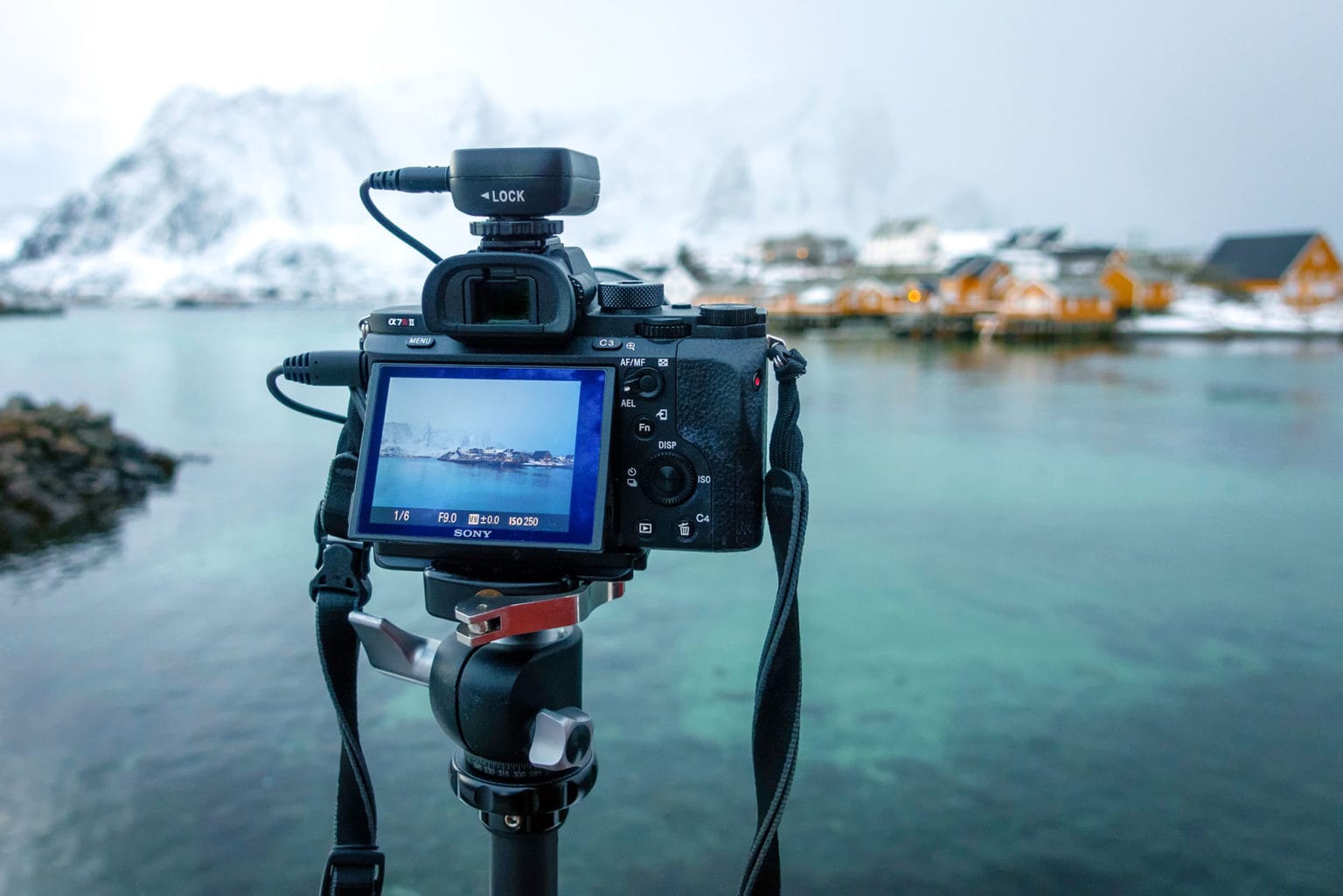
When it comes to travel photography, it’s not just about the destination. The right camera equipment can elevate your photography game and help you capture stunning images. From cameras and lenses to tripods and bags, here’s the essential camera equipment you need for travel photography.
Camera
A good camera is the foundation of any photography setup. For travel photography, you need a camera that is portable, versatile, and delivers high-quality images. Here are some options:
Digital SLR (DSLR) cameras: These cameras offer high image quality, fast autofocus systems, and a wide range of lenses. They are bulkier than other options but are ideal for those who want complete control over their photography.
Mirrorless cameras: These cameras are smaller and lighter than DSLRs but offer similar image quality and flexibility. They also have electronic viewfinders, which some photographers prefer over optical viewfinders.
Compact cameras: These cameras are small and lightweight, making them perfect for travel. While they may not offer the same image quality as DSLRs or mirrorless cameras, they are more than enough for most travel photography needs.
When choosing a camera, consider factors such as resolution (megapixels), autofocus speed, low-light performance, and dynamic range.
Lenses
Lenses are just as important as cameras when it comes to travel photography. Here are some essential lenses and their recommended specifications:
Standard zoom lens: This lens has a focal length of around 24mm-70mm and is ideal for everyday photography. Look for a lens with a wide aperture (f/2.8 or wider) for better low-light performance.
Telephoto zoom lens: This lens has a focal length of around 70mm-200mm and is perfect for capturing wildlife, landscapes, and portraits. Look for a lens with a wide aperture (f/4 or wider) for better image quality.
Wide-angle lens: This lens has a focal length of around 12mm-35mm and is ideal for capturing sweeping landscapes and architecture. Look for a lens with a wide aperture (f/2.8 or wider) for better low-light performance.
Tripod
A tripod is essential for capturing sharp images and can also be helpful for long exposures and time-lapse photography. Look for a lightweight and compact tripod that can be easily carried when traveling.
Camera Bag
A good camera bag is crucial for protecting your camera equipment and keeping it organized. Look for a bag that is durable, water-resistant, and has enough space for all your camera equipment. Consider factors such as size, weight, and comfort when choosing a camera bag.
Planning and Preparation for Travel Photography
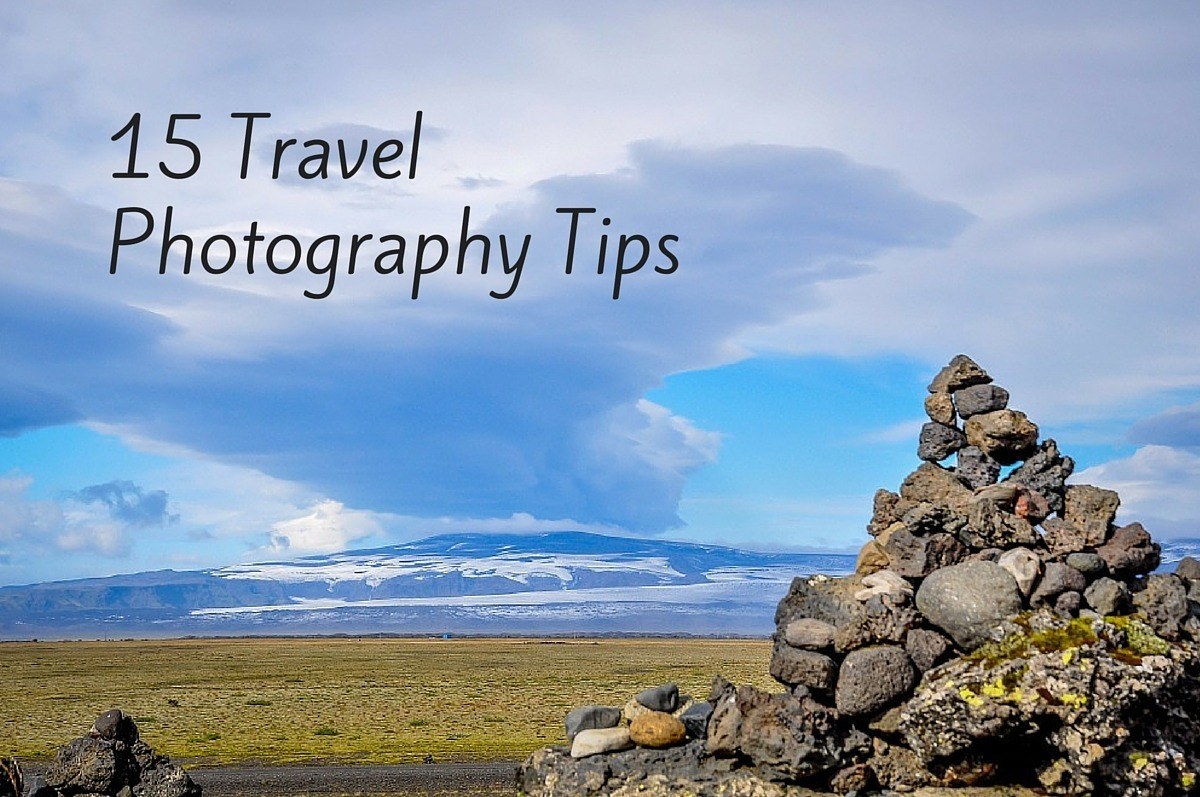
Researching your destination is crucial for a successful travel photography experience. Understanding the culture, landscapes, and people you’ll encounter will allow you to capture more authentic and engaging images. By planning and preparing, you’ll be equipped to handle various situations and make the most of your time abroad.
Importance of Destination Research
Before traveling, invest time in researching your destination. This includes studying the local customs, significant sites, and the natural environment. By doing so, you’ll be able to anticipate photo opportunities and ensure you have the necessary equipment and knowledge to make the most of them.
Checklist for Travel Photography Preparation
- Weather: Check the forecast and plan accordingly. Pack appropriate clothing and equipment covers to protect your gear from harsh conditions.
- Time of day: Be aware of the golden hour (approximately one hour after sunrise and one hour before sunset) and blue hour (period shortly after sunset or before sunrise) to capture optimal natural lighting.
- Local customs: Study local customs and avoid offensive behavior or attire. This will help you build rapport with the people you photograph and respect their culture.
- Equipment: Create a list of necessary photography equipment and pack efficiently. Include cameras, lenses, batteries, chargers, storage devices, and protective gear.
Packing Light and Efficiently
Packing light is essential for comfortable travel, especially when navigating busy streets or public transportation. Prioritize versatile equipment, such as a single camera body and multi-purpose lenses that can cover a wide range of focal lengths. Additionally, use packing cubes or compression bags to maximize space and protect your gear.
Backup and Storage Plan
Develop a reliable backup and storage plan for your photos during and after your trip.
- In-trip storage: Use high-capacity memory cards and carry a portable hard drive to regularly back up your photos.
- Post-trip storage: Transfer your photos to a computer or cloud storage service upon returning home. Ensure multiple backups exist in case of data loss or corruption.
Always keep your research, checklist, and backup and storage plan in mind as you prepare for your travel photography adventure. Proper planning and preparation will enable you to make the most of your time abroad and capture unforgettable moments.
Capturing Stunning Travel Photographs
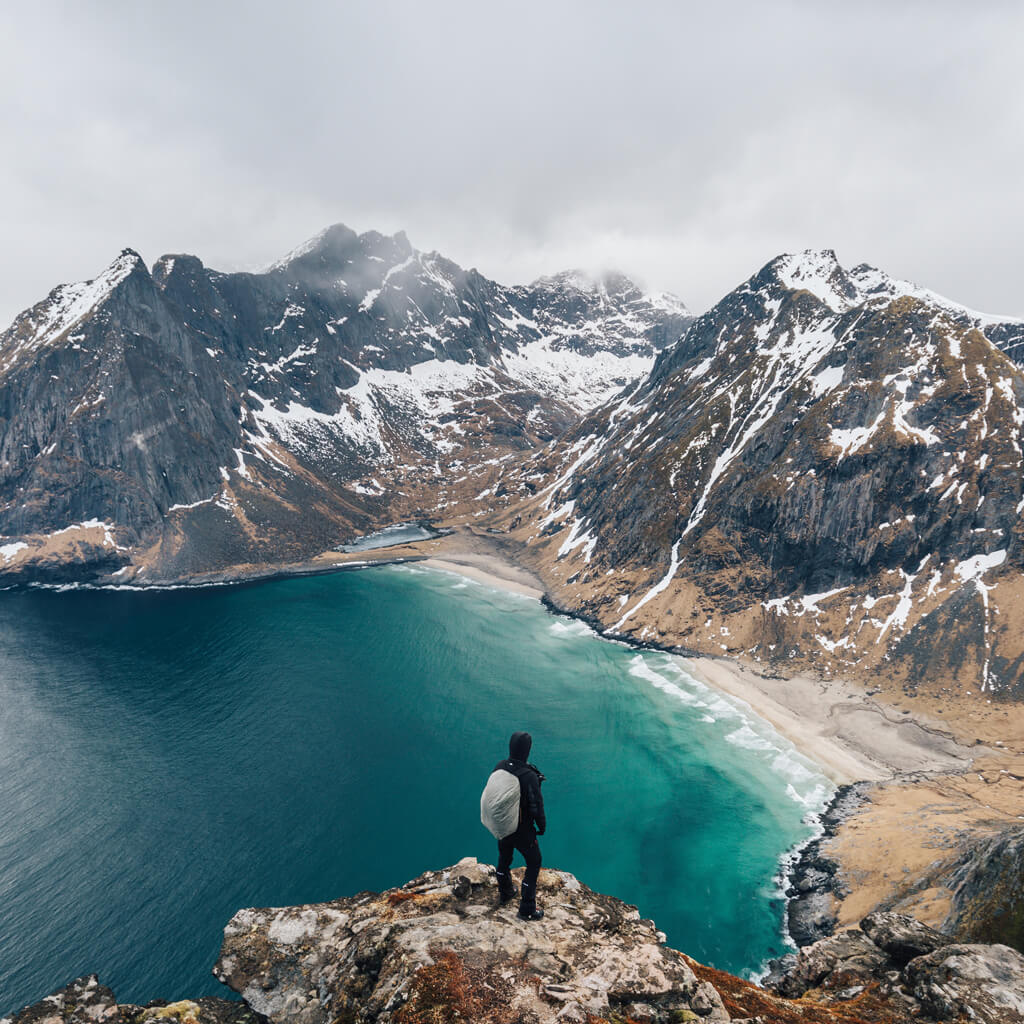
Photography is an art form that allows us to capture moments in time, and travel photography is a genre that enables us to share our experiences and stories from around the world. To capture stunning travel photographs, understanding the rule of thirds, composition techniques, manipulating natural light, and post-processing are crucial.
Rule of Thirds and Composition Techniques
The rule of thirds is a fundamental composition technique that divides a frame into nine equal parts using two equally spaced horizontal lines and two equally spaced vertical lines. Placing the subject along these lines or at their intersections creates a more balanced and visually appealing image.Here’s a list of additional composition techniques for capturing stunning travel photographs:
- Leading lines: Use natural lines such as roads, fences, or rivers to guide the viewer’s eye towards the subject.
- Framing: Use natural elements like trees, arches, or windows to frame the subject and create depth.
- Symmetry and patterns: Look for symmetrical scenes or patterns that can create a sense of harmony and balance.
- Foreground interest: Include a foreground element to add depth and create a sense of scale.
- Contrast: Utilize contrasting colors or textures to make the subject stand out and create visual interest.
Capturing Candid Moments and Interacting with Subjects
Candid moments often result in more genuine and engaging images. To capture candid moments, be patient, observant, and respectful. Avoid drawing attention to yourself or the camera. Here are some tips for candid photography:
- Shoot from the hip: Hold the camera at waist level and shoot without looking through the viewfinder.
- Use a long lens: A telephoto or zoom lens allows you to maintain a comfortable distance while capturing candid moments.
- Practice Street Photography: Engage with your environment and the people around you. Be mindful of cultural norms and always ask permission when necessary.
Shooting Landscapes, Cityscapes, and Architectural Photos
When photographing landscapes, cityscapes, and architecture, consider the following tips:
- Time of day: Shoot during the golden hour (shortly after sunrise or before sunset) for soft, warm light and long shadows.
- Perspective: Change your perspective by shooting from low or high angles or using a wide-angle lens to emphasize scale.
- Bracketing: Take multiple exposures of the same scene and blend them to create an HDR (High Dynamic Range) image, preserving details in both shadows and highlights.
Using Natural Light
Understanding natural light and how to manipulate it is essential for capturing stunning travel photographs. Here are some tips for using natural light:
- Diffused light: On a cloudy day or under a shaded area, the soft, diffused light can create evenly lit images without harsh shadows.
- Backlight: Positioning the sun behind your subject can create a glowing effect and dramatic silhouettes.
- Reflections: Utilize reflections in water, windows, or mirrors to create unique and captivating images.
Editing and Post-Processing Travel Photos
Editing and post-processing can significantly enhance the final look of your travel photographs. Here are some techniques to consider:
- Cropping: Adjust the composition by cropping to remove distractions or emphasize the subject.
- Color correction: Adjust the white balance, saturation, and vibrance to achieve the desired color palette.
- Exposure adjustments: Adjust the exposure, highlights, and shadows to ensure a well-balanced image.
- Sharpening: Enhance the sharpness and clarity of the image for a more polished look.
Essential FAQs
What are the essential camera equipment items for travel photography?
A good travel photography kit includes a DSLR or mirrorless camera, a versatile zoom lens (e.g. 24-70mm), a wide-angle lens (e.g. 16-35mm), a telephoto lens (e.g. 70-200mm), a sturdy tripod, and a waterproof camera bag.
How do I research a destination for travel photography?
Research the destination’s culture, landscapes, and people by studying travel guides, online resources, and social media. Identify popular landmarks, unique locations, and local events to include in your itinerary.
What composition techniques should I use for travel photography?
Apply the rule of thirds, leading lines, and framing to enhance your compositions. Look for patterns, textures, and contrasting colors to add depth and interest to your images.
How can I capture candid moments in travel photography?
Be patient, observe your subjects, and anticipate their actions. Use a smaller camera or a zoom lens to remain discreet, and shoot in continuous mode to increase your chances of capturing genuine moments.


