Explore the 5 Top Eco-friendly Transportation Methods
Eco-friendly transportation methods are gaining popularity as people recognize the need to reduce greenhouse gas emissions and preserve the environment. This article will introduce you to the top 5 eco-friendly transportation methods and discuss their benefits, infrastructure, and policies needed to promote them.
By the end of this article, you will have a better understanding of how to make a positive impact on the environment through your transportation choices.
Popular Eco-friendly Transportation Methods
Eco-friendly transportation refers to the different ways of getting from one place to another while minimizing the negative impact on the environment. This is crucial in promoting sustainability and reducing our carbon footprint.
The Concept of Eco-friendly Transportation
Eco-friendly transportation is all about choosing modes of travel that use less energy, produce lower emissions, and cause less pollution. As urban populations grow, so does the demand for travel. Consequently, the need for environmentally sustainable transportation has become increasingly important.
Importance of Eco-friendly Transportation
Transportation currently accounts for nearly a quarter of global carbon dioxide (CO2) emissions, according to the International Energy Agency. By choosing eco-friendly transportation methods, we can significantly reduce our greenhouse gas (GHG) emissions, contribute to the fight against climate change, and help create a more sustainable future.
Top 5 Eco-friendly Transportation Methods
Cycling
Cycling or biking is one of the most energy-efficient and eco-friendly transportation methods. Bicycles emit no CO2 or other pollutants, require little energy to manufacture, and are considered a low-impact exercise. Moreover, bicycle infrastructure like bike lanes and bike-sharing programs encourages more people to choose cycling for short-distance travel.
Walking
Like cycling, walking is an entirely carbon-free mode of transportation. It promotes physical activity, reduces the risk of obesity and cardiovascular diseases, and lowers overall transportation costs. Walking-friendly urban design and pedestrian infrastructure, such as sidewalks and crosswalks, contribute to the increased use of walking.
Public Transportation
Public transportation options, including buses, trams, and trains, have lower emissions per passenger-kilometer than private cars. Electric buses and trams powered by renewable energy sources further reduce the carbon footprint of public transportation. High-quality public transportation networks and services enable increased ridership and more efficient land use, further decreasing the need for private vehicles.
Electric Vehicles (EVs)
Shifting from conventional internal combustion engine (ICE) vehicles to electric vehicles (EVs), whether fully electric or hybrid, can significantly decrease transportation-related emissions. EVs are typically more energy-efficient and produce fewer emissions than ICE vehicles, especially when charged with electricity from renewable sources. The widespread adoption of EVs, however, requires substantial investment in charging infrastructure and policy measures supporting their use.
Carpooling
Carpooling, or ridesharing, with multiple passengers in a single vehicle reduces the number of cars on the road and thus decreases overall emissions. By utilizing existing vehicle capacity more efficiently, carpooling helps alleviate traffic congestion and lowers transportation expenses for individuals. Effective policies and platforms that incentivize and facilitate carpooling can lead to a higher adoption rate among commuters.
Infrastructure and Policies for Eco-friendly Transportation
To effectively promote eco-friendly transportation methods, governments and urban planners must invest in essential infrastructure and policy measures. These include the construction of:
Bike Lanes
Protected and well-maintained bike lanes improve cyclist safety and encourage the use of bicycles as a primary mode of transportation.
Pedestrian-friendly Streets
Safe and accessible pedestrian infrastructure, such as sidewalks, crosswalks, and wide boulevards, encourages walking and reduces traffic congestion.
Bus Rapid Transit Systems
High-quality bus rapid transit systems can effectively address the transportation needs of populous urban areas at a lower cost and with lower emissions than traditional light rail or metro systems.
EV Charging Stations
Widespread availability of electric vehicle charging stations, particularly fast-charging options, is vital for accelerating the transition from ICE vehicles to EVs.
Moreover, supportive policies for eco-friendly transportation include:
Subsidies and Incentives
Implementing subsidies and incentives for eco-friendly transportation methods and vehicles can help offset initial costs and encourage adoption.
Regulation and Standards
Enacting stringent emission standards and regulations for vehicles and fuels can drive innovation and investment in eco-friendly transportation technologies.
Land Use Policies
Strategic land use policies, such as transit-oriented development, promote higher-density, mixed-use development near public transportation hubs, thereby reducing the need for private vehicles.
Comparison of Eco-friendly Transportation Methods

Eco-friendly transportation methods each have their unique advantages and disadvantages when it comes to environmental impact, cost, and accessibility. We’ll compare various methods and discuss factors that influence their adoption and success, as well as potential solutions for overcoming challenges.
Environmental Impact
Different eco-friendly transportation methods have varying carbon footprints. For instance, electric bicycles are virtually emission-free, while electric cars produce significantly fewer emissions than conventional vehicles. Public transportation, such as buses, trams, and trains, tends to be the most eco-friendly option due to reduced traffic congestion and the ability to transport many people simultaneously.
Cost and Accessibility
While eco-friendly alternatives typically have higher initial costs than traditional methods, they can offer long-term savings through reduced fuel and maintenance expenses. However, certain regions face challenges in implementing eco-friendly solutions due to scarce infrastructure, insufficient government support, and limited access for disabled or elderly individuals.
Factors Influencing Adoption and Success
Several factors determine how readily eco-friendly transportation methods are adopted and succeed. These include cultural norms, lifestyle preferences, income levels, and urban planning. For example, cities that prioritize bicycle lanes and pedestrian-friendly streets encourage active transportation. Additionally, incorporating shared mobility services like bike-sharing schemes and carpooling platforms fosters sustainable commuting.
Challenges and Limitations
Eco-friendly transportation methods encounter various challenges:
- Range anxiety: Electric vehicle users may worry about running out of battery before reaching their destination. Fortunately, improvements in battery technology and charging infrastructure alleviate this concern.
- Safety concerns: Cycling faces criticism for increased accident risks, but enhanced safety measures like protected bike lanes and helmet regulations can address these issues.
- Frequent service: Public transportation must maintain dependable schedules and connections to attract users. Integrated ticketing systems, real-time information, and increased frequency can improve user satisfaction and adoption.
Potential Solutions and Innovations
Several solutions and innovations can help overcome these challenges:
- Autonomous vehicles: Driverless electric cars can potentially lower emissions, enhance accessibility, and improve traffic efficiency in the long term.
- Shared mobility: Car-sharing, bike-sharing, and scooter-sharing systems promote eco-friendly transportation by reducing private car ownership and encouraging multi-modal commuting.
- Renewable energy: Investments in renewable energy sources like solar, wind, and hydrogen power can further reduce the environmental impact of eco-friendly transportation methods.
By focusing on these comparison factors, identifying challenges, and exploring potential solutions, we can better understand and support the development and implementation of sustainable transportation methods.
Designing Eco-friendly Transportation Systems
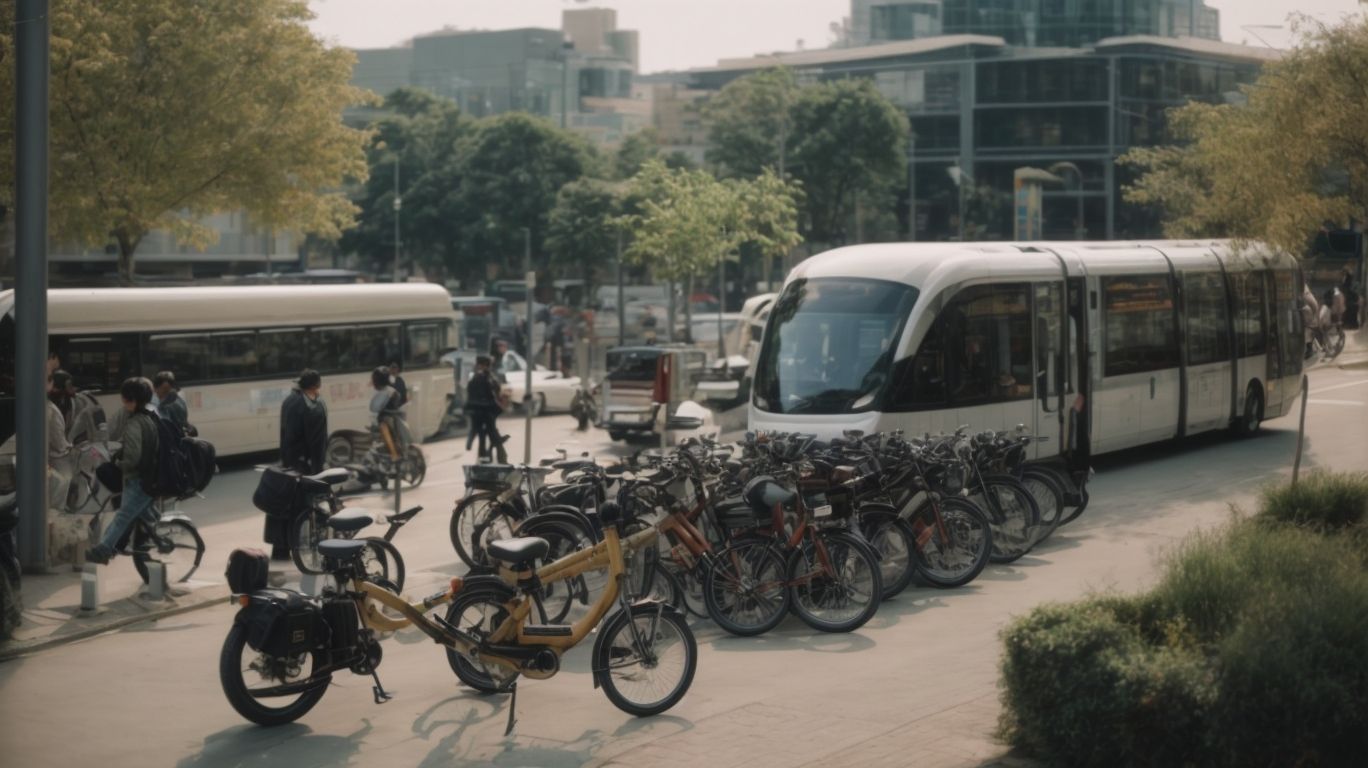
The principles of sustainable transportation planning and design involve creating systems that prioritize the use of renewable energy sources, minimize environmental impact, and promote efficient land use. This holistic approach aims to reduce reliance on personal vehicles, increase the use of public and active transportation, and enhance the overall quality of urban environments.
Principles and Practices of Sustainable Transportation Planning and Design
Sustainable transportation planning principles include:
- Integrating transportation with land use and energy policies: Design transportation systems that support compact, mixed-use developments, reducing the need for long trips and encouraging walking, cycling, and public transit use.
- Demand management: Shift trips from peak periods to off-peak times to reduce congestion and infrastructure costs. Examples include staggered work hours, flexible work arrangements, and congestion pricing.
- Prioritizing multi-modal transportation: Design transportation systems that offer a variety of options, such as walking, cycling, public transit, car-sharing, and electric or zero-emission vehicles.
Examples of Eco-friendly Transportation Systems
Examples of integrated transportation systems include:
- Vancouver, Canada: The city has implemented a comprehensive plan that includes transit-oriented development, cycling infrastructure, and a compact urban form ( TransLink ).
- Curitiba, Brazil: The city is renowned for its innovative bus rapid transit (BRT) system, which incorporates dedicated lanes, off-board fare collection, and station platforms ( Curitiba BRT ).
- Helsinki, Finland: The city plans to make private car ownership obsolete by 2025 by offering a seamless, multi-modal transportation system that includes walkability, cycling, public transit, and shared mobility options ( Helsinki Transportation ).
Benefits of Eco-friendly Transportation Systems
The benefits of eco-friendly transportation systems include:
- Public health: Reduced reliance on personal vehicles leads to increased physical activity and decreased air pollution, improving public health.
- Economic development: Eco-friendly transportation systems foster economic growth by attracting businesses, residents, and tourists ( Transit and Economic Development ).
- Social equity: Reliable, affordable transportation systems enable access to employment, education, and services, promoting social equity ( Equitable Transportation Policy ).
Technology and Data in Improving Eco-friendly Transportation
Technological advancements and data play a critical role in enhancing the efficiency, safety, and convenience of eco-friendly transportation systems:
- Real-time traffic data enables dynamic routing for transit systems and ride-sharing services, reducing waiting times and improving overall user experience ( Transit Data Analytics ).
- Automated and connected vehicles have the potential to increase traffic efficiency, reduce crashes, and improve access for people with disabilities ( Connected and Automated ).
- Electric vehicle adoption, coupled with clean energy sources, can help decarbonize transportation. Shared EVs and charging infrastructure can improve efficiency and access for users ( Shared EVs ).
Key Performance Indicators and Evaluation Methods
To measure the success of eco-friendly transportation systems, key performance indicators include:
- Transportation mode share: The percentage of trips made by walking, cycling, public transit, and shared mobility options, compared to personal vehicles.
- Energy consumption and emissions: Total energy consumption and greenhouse gas emissions per capita or per vehicle mile traveled.
- Public health: Rates of physical activity, traffic fatalities, and air pollution-related health issues.
- Social equity: Accessibility of transportation options for low-income, minority, and disadvantaged populations.
Essential Questionnaire
What is eco-friendly transportation?
Eco-friendly transportation refers to the methods of moving people and goods that have a low impact on the environment.
What are the top 5 eco-friendly transportation methods?
The top 5 eco-friendly transportation methods are cycling, walking, public transportation, electric vehicles, and carpooling.
Why is it important to use eco-friendly transportation?
Using eco-friendly transportation reduces greenhouse gas emissions, energy consumption, and congestion. It also has health, economic, and social benefits.
What infrastructure and policies are needed to promote eco-friendly transportation?
Infrastructure and policies needed to promote eco-friendly transportation include bike lanes, pedestrian-friendly streets, bus rapid transit systems, and EV charging stations.


