Top 3 Sustainable Tourism Practices Transport, Accommodation, Wildlife Spotting
Welcome to our thrilling exploration of sustainable tourism practices! Ever wondered how to reduce your carbon footprint while traveling, or what it means to stay in an eco-friendly hotel? Strap in as we dive into a world where protecting the environment and experiencing unforgettable adventures go hand in hand!
Today, we’ll uncover the secrets of sustainable transportation, eco-friendly accommodations, and responsible wildlife tourism. Fasten your seatbelts, and let’s embark on a fascinating journey!
Sustainable Transportation

Sustainable transportation plays a crucial role in reducing the carbon footprint of tourists and promoting eco-conscious travel. By opting for environmentally-friendly modes of transport, travelers can contribute to preserving natural resources and minimizing pollution.
Various Eco-Friendly Transportation Options
Public transportation, biking, and walking are the three primary sustainable transportation options that tourists can utilize to reduce their carbon footprint.
- Public Transportation: Taking advantage of public transportation systems like buses, trams, or trains not only reduces the number of vehicles on the road but also decreases the consumption of fuel and energy per passenger. Many popular destinations offer well-developed public transportation networks that cater to tourists’ needs, such as London’s extensive underground system and Kyoto’s convenient bus and train lines.
- Biking: Biking is an excellent option for exploring a destination while minimizing the environmental impact. Cities like Amsterdam, Copenhagen, and Portland have strong cycling cultures, offering bike-sharing programs, extensive cycling lanes, and bike-friendly infrastructure for tourists and locals alike. Additionally, biking provides a unique opportunity to experience the local scenery and engage with the community at a slower pace.
- Walking: As the most energy-efficient mode of transportation, walking is the ultimate sustainable travel option. Many urban destinations have pedestrian-friendly streets and sidewalks, enabling tourists to easily navigate the city without relying on motorized vehicles. By exploring a destination on foot, travelers can also discover hidden gems and encounter authentic local experiences that they might otherwise miss.
Promoting Sustainable Transportation in Tourism
To encourage the adoption of sustainable transportation options in tourism, destinations can take several measures, including:
- Incentives: Offering incentives such as discounts or promotions for using public transportation, biking, or walking can motivate travelers to choose eco-friendly modes of transport. These incentives can be applied to attractions, accommodations, or event tickets.
- Education and Awareness: Educating tourists about the environmental impact of their travel choices and increasing awareness of sustainable transportation options can lead to behavioral change. Providing information through maps, travel guides, or digital apps can help travelers make more informed decisions.
- Infrastructure Development: Investing in pedestrian-friendly streets, bike lanes, and accessible public transportation systems is crucial for promoting sustainable transportation. Comprehensive infrastructure development also entails ensuring that accommodations and attractions are easily accessible through eco-friendly transportation.
Eco-friendly Accommodations
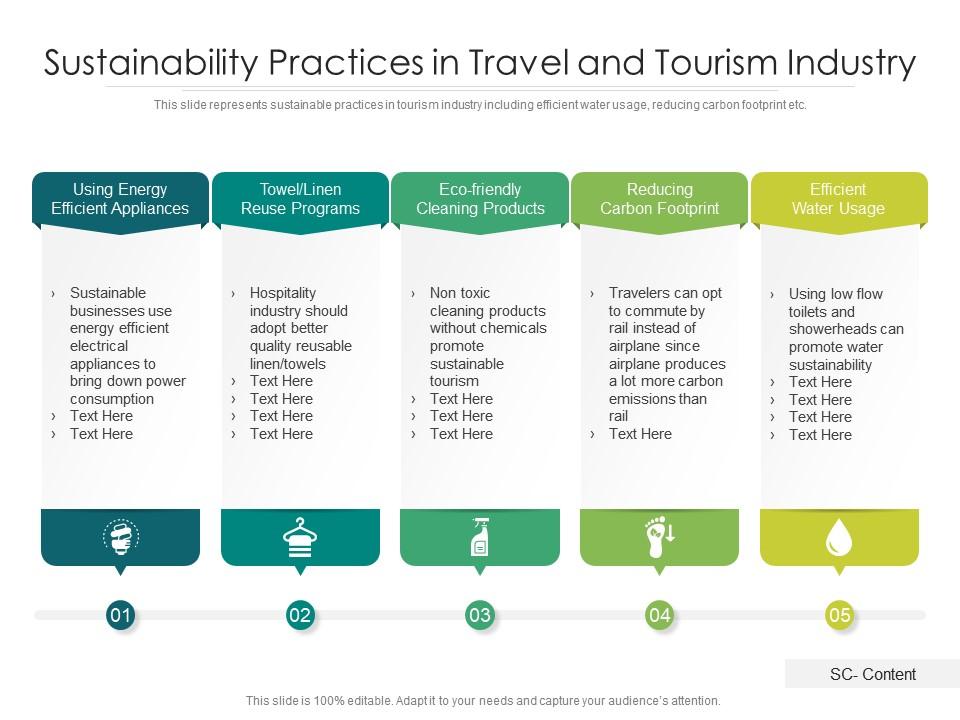
In the pursuit of sustainable tourism, eco-friendly accommodations have emerged as a critical component. These lodging options prioritize environmental responsibility and resource sustainability, giving travelers a chance to reduce their carbon footprint. Examples of eco-friendly accommodations include green hotels and eco-lodges.
As the name implies, green hotels aim to minimize their ecological impact. These establishments incorporate sustainable practices such as energy and water conservation, waste reduction, and the use of eco-friendly building materials. Guests can often take part in initiatives like recycling programs and linen reuse.
Green Hotels
Some green hotels have even taken sustainability a step further by obtaining certification from organizations like the Leadership in Energy and Environmental Design (LEED) or Green Key Global. These certifications validate a hotel’s dedication to eco-friendly practices and help guests make informed decisions about their accommodations.
Eco-lodges, on the other hand, typically focus on offering a more immersive experience in nature. These accommodations often blend into the surrounding environment and use local materials. Eco-lodges frequently support community development and conservation initiatives as well.
Eco-lodges
Travelers might find eco-lodges in destinations like Costa Rica or Borneo, providing access to unique ecosystems while ensuring a minimal impact on these fragile areas. Staying at an eco-lodge occasionally involves forgoing certain luxury amenities, but the overall experience usually emphasizes connecting with the natural world and local communities.
By choosing eco-friendly accommodations, tourists can actively contribute to preserving the environment and supporting sustainable development. These accommodations demonstrate that prioritizing sustainability doesn’t mean sacrificing comfort or authenticity.
Responsible Wildlife Tourism
Wildlife tourism can bring immense economic benefits and global recognition to destinations. However, when not practiced responsibly, it can negatively impact wildlife and their habitats, disrupt animal behavior, and even lead to extinction.
The Negative Impacts of Irresponsible Wildlife Tourism
- Can cause stress and alteration in animal behavior due to increased human presence and interaction.
- Feeding wild animals results in dependency on human-provided food sources, changing their natural feeding patterns.
- Physical harm to animals from human interference and inappropriate activities, including petting, touching, and riding.
- Overcrowding in wildlife attractions, leading to habitat degradation, pollution, and resource depletion.
Examples of Responsible Wildlife Tourism Practices
- Observing animals from a safe and respectful distance.
- Educational programs and guided tours that minimize human interference and promote awareness of wildlife conservation.
- Supporting ethical wildlife sanctuaries that rehabilitate and protect animals from exploitation and abuse.
- Using eco-friendly transportation methods when visiting wildlife destinations.
Methods Used to Protect Wildlife and Their Habitats in Tourism
- Implementing and enforcing strict regulations and penalties on wildlife trade, hunting, and habitat destruction.
- Encouraging and investing in sustainable tourism initiatives focused on conservation, restoration, and responsible wildlife interaction.
- Promoting and prioritizing the use of sustainable and eco-friendly infrastructure in wildlife destinations.
- Raising awareness and educating tourists on responsible wildlife practices, the importance of conservation, and the potential consequences of irresponsible actions.
Responsible wildlife tourism ultimately benefits both wildlife and the local communities that depend on them. By adhering to responsible practices, we can promote the long-term survival and flourishing of wildlife and their habitats for future generations to enjoy.
Top FAQs
What are the benefits of eco-friendly accommodations?
Eco-friendly accommodations conserve natural resources, support local communities, and offer unique, authentic experiences while reducing environmental impact.
How does responsible wildlife tourism help animals and their habitats?
Responsible wildlife tourism supports conservation projects, promotes respect for animals, and maintains their natural habitats, ensuring their survival and well-being.
What is an example of a city promoting sustainable transportation?
Copenhagen, Denmark, has an extensive bike lane network and efficient public transport system, encouraging tourists to use eco-friendly transportation options.


