Uncovering the Past Exploring Historical and Archaeological Sites
History and archaeology go hand in hand, offering captivating insights into our past. This journey takes us through popular archaeological sites, historical monuments, and ancient cities, blending tales of cultural significance, architectural marvels, and excavation techniques.
As we delve into the historical and archaeological sites, we unravel humanity’s intricate story, shaped by resilient civilizations and their remarkable legacies.
Popular Archaeological Sites

Archaeology is a fascinating field that sheds light on human history, cultures, and civilizations. Popular archaeological sites are treasure troves of information, allowing us to delve deeper into the past. This section will explore some of the most famous archaeological sites and the significant archaeological findings, their historical importance, captivating features, and excavation techniques used.
Pompeii, Italy
Pompeii, an ancient Roman city near Naples, Italy, was buried under volcanic ash and pumice after the eruption of Mount Vesuvius in 79 AD. Rediscovered in the 18th century, this site offers an unparalleled glimpse into Roman life. Excavations have revealed remarkably well-preserved buildings, frescoes, mosaics, and human casts, providing insights into daily life, architecture, and art.
Machu Picchu, Peru
Machu Picchu, also known as the “Lost City of the Incas,” is a 15th-century Incan citadel situated on a mountain ridge in Peru. Abandoned during the Spanish conquest, it remained unknown to the Western world until its rediscovery in 1911. Archaeologists have uncovered temples, terraced fields, and intricate urban planning, shedding light on Incan engineering and religious practices.
Petra, Jordan
Petra, a historical and archaeological city in southern Jordan, dates back to around 312 BC. It is famous for its rock-cut architecture and water conduit system. The site was an essential junction for trade routes and contained temples, tombs, and a theater. Excavations have provided insights into Nabataean culture, their relationship with other civilizations, and their impressive engineering skills.
Angkor Wat, Cambodia
Angkor Wat, a temple complex in Cambodia, was built in the 12th century as the capital of the Khmer Empire. It is the world’s largest religious monument and showcases intricate carvings and architectural innovations. Dedicated to Hinduism initially, it later transformed into a Buddhist temple. Archaeological studies and restorations have offered insights into Khmer history, religion, and art.
Great Zimbabwe, Zimbabwe
Great Zimbabwe, a medieval city in Southeast Africa, was the capital of the Kingdom of Zimbabwe during the Late Iron Age. Built between the 11th and 15th centuries, it features dry-stone walls, towers, and enclosures. Archaeological research has provided knowledge of Bantu-speaking Shona culture, their trading networks, and architectural prowess.
Göbekli Tepe, Turkey
Göbekli Tepe, located in southeastern Turkey, is an archaeological site that dates back to the 10th–8th millennium BCE, predating Stonehenge by several thousand years. Comprising limestone megaliths arranged in circular enclosures, it suggests the existence of complex societies in the Pre-Pottery Neolithic period. Research at Göbekli Tepe has transformed our understanding of the emergence of religion, monumental architecture, and sedentary communities.
Historical Monuments and Landmarks
Historical monuments and landmarks serve as tangible connections to our past, embodying the artistic, cultural, and historical significance of bygone eras. These architectural marvels have been constructed for various reasons, such as commemorating significant events, honoring influential figures, or symbolizing religious or political power. Preservation efforts for these landmarks face numerous challenges, including natural decay, human impact, and the need for resources to maintain their structural integrity.
The Great Wall of China
Spanning over 13,000 miles, the Great Wall of China was built between the 3rd century BC and the 17th century AD to protect Chinese states and empires from invasions. Constructed using rammed earth, wood, and other materials, the wall exemplifies ancient defensive architecture. Its cultural impact is immense, representing the resilience and determination of the Chinese people. Preservation efforts involve stabilizing existing structures, managing vegetation, and minimizing tourist impact, though challenges such as erosion, vandalism, and insufficient funding persist.
The Colosseum, Rome
Built in 70-80 AD, the Colosseum in Rome was an amphitheater used for gladiatorial contests, public spectacles, and dramas based on classical mythology. Utilizing cutting-edge Roman engineering techniques such as the use of concrete, the Colosseum represents the architectural prowess of the Roman Empire. Its societal impact lies in the reflection of Roman culture, societal structure, and the manipulation of public opinion through mass entertainment.
Preservation efforts include strengthening structural elements, managing water infiltration, and monitoring for structural instability. However, challenges include earthquake damage, stone theft, and environmental factors.
Petra, Jordan
Petra, an archaeological city in Jordan, was established around the 4th century BC as the capital of the Nabataean Kingdom. With its stunning rock-cut architecture and intricate water conduit system, Petra illustrates the Nabataeans’ architectural and engineering skills. Its cultural impact includes a merging of Greco-Roman, Egyptian, and traditional Arab architectural elements. Preservation efforts entail stabilizing structures, managing visitor access, and combating sandstone decay.
Challenges comprise weathering, seismic activity, and insufficient resources.
Machu Picchu, Peru
Machu Picchu is a 15th-century Inca citadel situated on a mountain ridge in Peru. Constructed primarily of granite, the Inca’s mastery of masonry and hydraulic engineering is evident in this architectural marvel. Machu Picchu’s cultural impact derives from its role as a royal estate or sacred religious site and its symbolism of Inca culture. Preservation efforts include regulating tourist access, monitoring natural erosion, and maintaining architectural integrity.
Challenges consist of landslides, seismic activity, and degradation of stonework.
Ancient Cities and Urban Planning
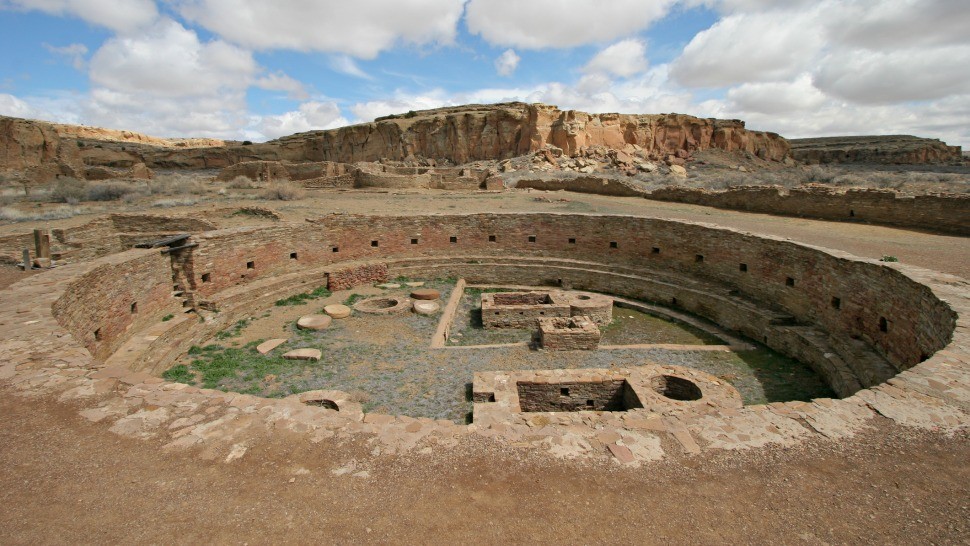
Ancient cities are a testament to the ingenuity and vision of early human civilizations. These cities not only housed large populations but were also the centers of political power, economic activity, and cultural expression. Urban planning strategies enabled these ancient metropolises to flourish, facilitating the organization of social, economic, and political life.
Well-Preserved Ancient Cities
Visiting the ruins of ancient cities gives us a glimpse of their layout and planning strategies. Some of the most well-preserved ancient cities include:
- Pompeii, Italy: Preserved under a blanket of volcanic ash since 79 AD, Pompeii provides an unparalleled look at the urban planning and daily life of a Roman city.
The city was divided into twelve blocks called “regiones,” each containing multiple insulae (city blocks). Streets were laid out in a grid pattern, and the main thoroughfares were wide and lined with sidewalks, shops, and public buildings.
- Angkor Wat, Cambodia: Originally constructed as a Hindu temple complex in the 12th century, Angkor Wat was later transformed into a Buddhist monastery. It is renowned for its intricate bas-reliefs and represents an outstanding example of Khmer architecture.
Angkor Wat was designed to mimic the layout of the universe as described in Hindu mythology. Its complex irrigation system and large-scale architectural achievements reflect the civilization’s advanced engineering skills and understanding of urban planning. The city was surrounded by a massive moat, symbolizing the ocean that surrounds Mount Meru, the home of the gods.
- Machu Picchu, Peru: Built in the 15th century by the Inca civilization, Machu Picchu is a testament to their sophisticated architectural and agricultural techniques. The city is situated on a mountain ridge above the Sacred Valley.
Machu Picchu was planned in harmony with its natural surroundings, using terraced fields for agriculture. The urban layout included housing areas, temples, and public spaces, all connected by narrow paths and stairways. Many buildings were constructed using the classic Inca technique of polished dry-stone walls, fitting together without mortar.
Social, Economic, and Political Organization
Urban planning had a significant impact on the social, economic, and political organization of ancient cities:
- Social Organization: The layout of ancient cities often reflected societal hierarchies. Residential areas were divided according to social class or occupation, with the elite residing in spacious villas near public spaces and markets. Commoners generally lived in multi-family apartment buildings situated further away from the city center.
- Economic Activity: Economic life in ancient cities was centered around markets, workshops, and other commercial spaces. Streets and plazas served as the primary venues for trade and exchange, with merchants and artisans displaying their goods and services. Public spaces were also used for religious and cultural events, fostering a sense of community.
- Political Organization: Ancient cities were the seats of political power, with governments and administrations responsible for maintaining order and providing services. Public buildings, such as temples, palaces, and government offices, were typically located in central locations, symbolizing the authority and prestige of the ruling class.
Religious and Cultural Practices
Religious and cultural practices played an essential role in the urban planning of ancient cities:
- Religious Spaces: Religious structures and spaces were often integrated into the urban fabric. Temples, shrines, and altars were commonly located in central areas or along major streets, allowing for easy access by the general population.
- Cultural Expression: Ancient cities were melting pots of cultural exchange, and urban planning often reflected this diversity. Public spaces, such as theaters, amphitheaters, and marketplaces, were used for various cultural activities, including plays, music, and athletic events. These venues promoted social cohesion and the sharing of ideas among inhabitants.
Engineering Feats and Innovations
Engineering achievements and innovations enabled the construction and maintenance of ancient cities:
- Water Supply: Reliable water supply was essential for the survival of ancient cities. Engineering solutions included the construction of aqueducts, cisterns, and reservoirs, which brought water from distant sources or collected rainwater for distribution.
- Waste Management: Sanitation was crucial for public health in ancient cities. Waste removal systems, such as sewers and latrines, were integrated into the urban layout. In some cases, waste was collected and transported outside the city walls for disposal.
- Transportation: Ancient cities relied on well-maintained roads, bridges, and harbors for transportation and communication. Paved streets and sidewalks facilitated the movement of people and goods, while bridges and causeways connected urban centers to surrounding areas.
Architectural and Artistic Achievements
Ancient cities were characterized by architectural and artistic achievements that reflected their cultural identity:
- Public Buildings: Monumental architecture, such as temples, palaces, and public squares, symbolized the power and wealth of ancient civilizations. Intricate ornamentation, such as frescoes, mosaics, and sculptures, adorned these structures, showcasing the artistic prowess of their creators.
- Domestic Architecture: The design of private residences was shaped by climate, materials, and cultural preferences. Housing typologies ranged from single-family dwellings to multi-story apartment buildings, reflecting the diversity of the urban population.
Detailed FAQs
What are the most famous archaeological sites?
Some of the world’s most famous archaeological sites include the Great Pyramids of Giza, Machu Picchu, and Pompeii. These sites offer significant historical insights and impressive architectural feats.
How are archaeological sites preserved?
Preservation methods for archaeological sites vary but often include protective barriers, limited access, and climate control. These measures help slow deterioration and ensure the sites’ longevity.
What is the role of archaeology in understanding history?
Archaeology provides tangible evidence of past civilizations, their practices, and societal structures. This evidence complements and expands upon written history, offering a more comprehensive understanding of humanity’s story.


