Unveiling the Allure of Dark Tourism Attractions
Delve into the world of dark tourism and uncover the intriguing histories and emotional experiences that await visitors. This isn’t just about exploring the macabre; it’s about understanding the significance of these sites and their impact on local communities and conservation efforts.
As we journey through famous dark tourism attractions, we’ll examine their unique features, ethical considerations, and the role of technology in storytelling. So strap in, and let’s embark on this unique and captivating exploration together.
Famous Dark Tourism Attractions
From the chilling echoes of the past to the somber reminders of history, dark tourism sites offer a unique perspective on human experiences. Tourists are drawn to these places for various reasons, often as a way to understand tragic events, confront their fears, or simply appreciate the historical significance.
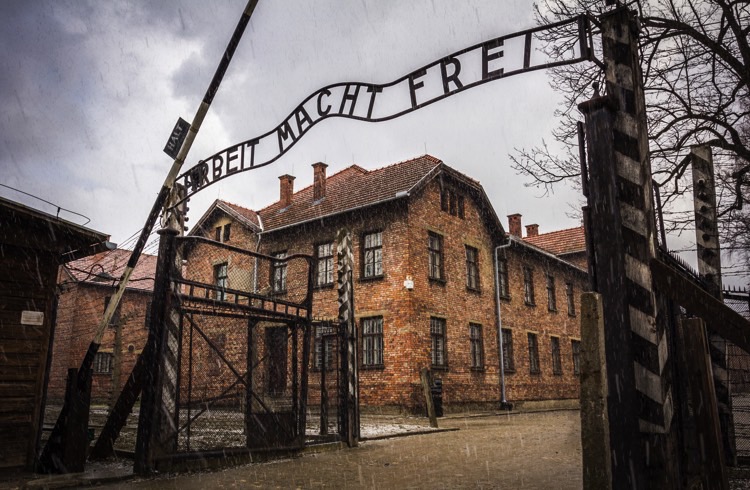
1. Auschwitz-Birkenau, Poland
This notorious concentration camp complex, operated by Nazi Germany during World War II, serves as a grim reminder of the Holocaust. Visitors can tour the remains of the gas chambers, crematoria, and barracks while reflecting on the lives of the more than one million people who perished here. Emotions range from shock and sadness to gratitude for the lessons learned from this dark period in history.
2. Chernobyl Exclusion Zone, Ukraine
The site of the world’s worst nuclear disaster, the Chernobyl Exclusion Zone offers an eerie glimpse into a world abandoned by humans. Guided tours take visitors through the ghost town of Pripyat, the nuclear power plant itself, and other areas affected by the catastrophic meltdown in 1986. Here, visitors experience a mix of curiosity, fear, and awe as they confront the consequences of human error and technological limitations.
3. Ground Zero, New York, USA
The site of the September 11 terrorist attacks, Ground Zero is now home to the 9/11 Memorial and Museum. Visitors can pay tribute to the nearly 3,000 victims by visiting the dual memorial pools, each representing one of the Twin Towers. The museum displays artifacts, photographs, and personal stories, eliciting a spectrum of emotions, from deep sorrow to admiration for the resilience of the human spirit.
4. Killing Fields of Choeung Ek, Cambodia
A former execution ground during the Khmer Rouge regime, the Killing Fields of Choeung Ek now stands as a testament to the atrocities committed by the Cambodian government in the late 1970s. Visitors can walk among the mass graves and learn about the victims’ harrowing experiences. The site inspires a range of emotions, from horror and sadness to a determination to preserve the memory of the past and prevent future atrocities.
5. Robben Island, South Africa
Once a political prison for anti-apartheid activists, including Nelson Mandela, Robben Island now serves as a museum and symbol of the triumph of the human spirit over oppression. Guided tours allow visitors to see the harsh living conditions endured by political prisoners and learn about their struggle for equality and freedom. Emotions evoked include sympathy, admiration, and hope.
6. Hiroshima Peace Memorial Park, Japan
The site of the world’s first atomic bombing, Hiroshima Peace Memorial Park is a powerful reminder of the devastating consequences of nuclear warfare. The park features the iconic Atomic Bomb Dome, a preserved ruin from the explosion, as well as museums and monuments dedicated to promoting peace and nuclear disarmament. Visitors experience feelings of shock, sorrow, and determination to work towards a peaceful world.
7. Pompeii, Italy
Preserved by the eruption of Mount Vesuvius in AD 79, Pompeii offers a unique glimpse into the daily lives of ancient Romans. Visitors can walk through the eerily well-preserved streets, houses, and public buildings while imagining the panic that must have gripped the inhabitants during the catastrophic event. Emotions range from fascination and curiosity to a sense of connection with people from the distant past.
8. Tuol Sleng Genocide Museum, Cambodia
Formerly the notorious Security Prison 21 (S-21) during the Khmer Rouge regime, Tuol Sleng Genocide Museum is a stark reminder of the brutalities committed by the Cambodian government. The museum exhibits photographs of victims, torture devices, and execution sites, eliciting a range of emotions from horror and sadness to anger and a determination never to allow such atrocities to happen again.
9. Catacombs of Paris, France
An extensive network of underground ossuaries, the Catacombs of Paris contain the remains of millions of people. Visitors can walk through the dimly lit tunnels while reflecting on the mortality of human beings. Emotions evoked include awe, fascination, and a sobering reminder of the inevitability of death.
10. Tower of London, England
Once a royal palace and infamous prison, the Tower of London has played a significant role in shaping English history. Gruesome tales of execution, imprisonment, and torture have made the tower a popular dark tourism destination. Visitors can explore the Tower’s many towers, chambers, and exhibits, experiencing a range of emotions from curiosity and intrigue to solemn reflection on the lives of those who suffered within its walls.
Ethical Considerations in Dark Tourism
Dark tourism, by its very nature, raises a number of ethical concerns. The controversy surrounding it centers on the potential for exploitation of tragic events and sensitive locations. Critics argue that dark tourism commodifies suffering, turning human tragedy into entertainment for profit. This can be seen as disrespectful to victims and their families, and can trivialize the gravity of historical events.
Furthermore, some argue that dark tourism can inhibit the natural grieving and healing process of communities affected by tragedy.However, it is important to note that dark tourism can also have significant benefits for local communities and conservation efforts. By attracting tourists to areas that may otherwise be overlooked, dark tourism can stimulate local economies and provide employment opportunities. Additionally, it can raise awareness about historical events and promote education about the consequences of violence, oppression, and disaster.
In this way, dark tourism can contribute to the preservation of historical sites and the promotion of peace and understanding.To promote responsible and ethical dark tourism practices, it is important for tour operators and tourists alike to approach these sites with sensitivity and respect. This involves careful consideration of the impact of tourism on local communities and the environment, as well as a commitment to ethical behavior and cultural sensitivity.
Ethical Concerns in Dark Tourism
At the heart of the ethical concerns surrounding dark tourism is the potential for exploitation. Tragedy and suffering are sensitive topics, and it is important to ensure that dark tourism does not exploit or trivialize these events. This involves considering the impact of tourism on the dignity and privacy of victims and their families, as well as the potential for retraumatization.Another ethical concern is the impact of dark tourism on local communities.
Tourism can bring significant economic benefits to local communities, but it can also lead to gentrification and cultural homogenization. Additionally, dark tourism can attract tourists who are insensitive to local customs and values, leading to cultural conflict and tension.
Benefits of Dark Tourism for Local Communities and Conservation Efforts
Despite the ethical concerns surrounding dark tourism, it can also have significant benefits for local communities and conservation efforts. By attracting tourists to areas that may otherwise be overlooked, dark tourism can stimulate local economies and provide employment opportunities. This can help to alleviate poverty and promote development in areas that may be economically marginalized.Additionally, dark tourism can raise awareness about historical events and promote education about the consequences of violence, oppression, and disaster.
By educating tourists about these events, dark tourism can contribute to the preservation of historical sites and the promotion of peace and understanding.
Promoting Responsible and Ethical Dark Tourism Practices
To promote responsible and ethical dark tourism practices, it is important for tour operators and tourists alike to approach these sites with sensitivity and respect. This involves careful consideration of the impact of tourism on local communities and the environment, as well as a commitment to ethical behavior and cultural sensitivity.For tour operators, this may involve working with local communities to ensure that dark tourism benefits them rather than exploiting them.
This may involve supporting local businesses, using local guides, and ensuring that a portion of profits are invested in community development projects. Additionally, tour operators should ensure that their tours are culturally sensitive and that they provide appropriate context and information about the sites.For tourists, responsible and ethical dark tourism practices involve being mindful of the impact of their actions on local communities and the environment.
This may involve respecting local customs and values, avoiding insensitive or disrespectful behavior, and supporting local businesses and communities. Additionally, tourists should seek out tour operators who prioritize responsible and ethical practices and who work with local communities to ensure that dark tourism benefits them rather than exploiting them.
Unique Features of Dark Tourism Sites
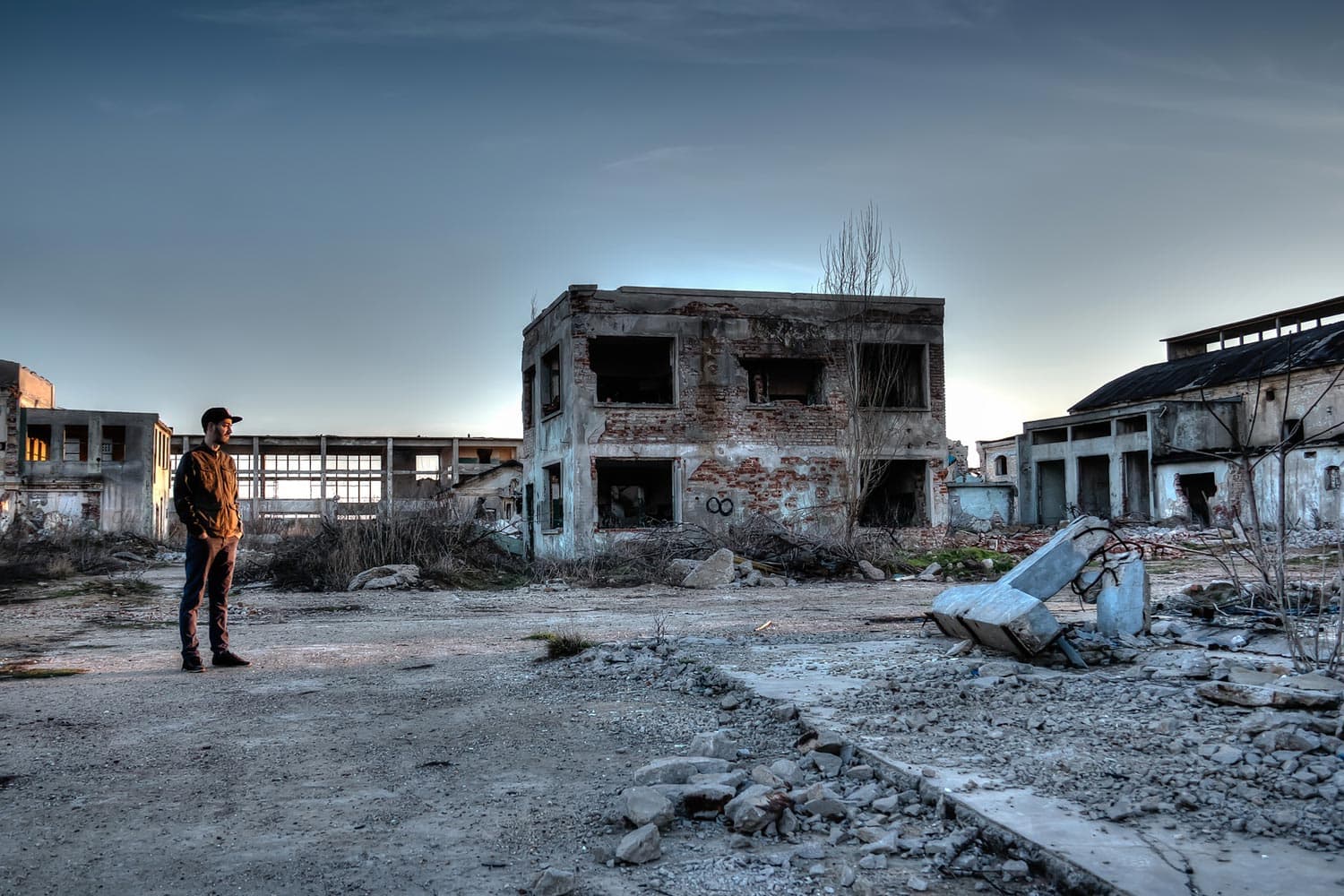
Dark tourism sites offer visitors a chance to explore the darker aspects of history, showcasing stories of tragedy, conflict, and disaster. These sites vary in their unique features and the types of experiences they offer. In this section, we will discuss the various features and experiences that make dark tourism sites so captivating.
Comparison of Different Dark Tourism Attractions
Dark tourism attractions can be categorized into several types, including disaster sites, battlefields, and prisons. Each type offers a unique perspective and experience for visitors.
- Disaster Sites: These sites often display remnants of natural or man-made catastrophes. Examples include the Chernobyl Exclusion Zone and the 9/11 Memorial in New York City. They serve as reminders of the destructive power of nature or human error.
- Battlefields: Battlefields, such as Gettysburg in the United States or the Somme in France, provide insights into the realities of war and its impact on society. They often include monuments, memorials, and museums that tell the stories of the battles and the people involved.
- Prisons: Prisons, like Alcatraz in San Francisco or Robben Island in South Africa, offer visitors a glimpse into the world of incarceration and the lives of those who were imprisoned. These sites often include guided tours and exhibitions that detail the history and the conditions of the prisons.
Unique Experiences at Dark Tourism Sites
Dark tourism sites employ various methods to enhance visitor experiences and provide a deeper understanding of the sites’ histories.
- Storytelling: Effective storytelling is crucial in dark tourism. Sites often employ guides, audio tours, and multimedia exhibits to narrate the events and the impact they had on the world. This helps visitors connect emotionally with the sites and the stories they tell.
- Immersive Technologies: Some dark tourism sites use technology to create immersive experiences. For example, the Titanic Belfast museum in Northern Ireland uses virtual reality to allow visitors to walk the decks of the ill-fated ship. These technologies help bring history to life and make the sites more engaging for visitors.
- Preservation and Restoration: Many dark tourism sites focus on preserving and restoring the sites to maintain their historical integrity. For instance, the Anne Frank House in Amsterdam has been painstakingly restored to show visitors the conditions in which Anne Frank and her family lived during World War II. This helps visitors gain a better understanding of the past and the people who lived through these events.
The Role of Ethical Considerations in Unique Features
While unique features can enhance visitor experiences, it’s essential that dark tourism sites adhere to ethical considerations. This ensures the sites maintain a respectful and sensitive approach to the histories they represent. By prioritizing ethical considerations, dark tourism sites can create meaningful experiences for visitors while also honoring the memories of those impacted by the sites’ histories.
Frequently Asked Questions
What is dark tourism?
Dark tourism refers to travel to sites related to death, suffering, or the macabre, providing visitors with unique and thought-provoking experiences.
Why are dark tourism attractions popular?
Dark tourism attractions are popular due to their historical significance, emotional impact, and the opportunity to gain a deeper understanding of past events.
What are some common types of dark tourism experiences?
Common types of dark tourism experiences include visiting disaster sites, battlefields, prisons, and cemeteries.
How can I support ethical dark tourism practices?
Visitors can support ethical dark tourism practices by respecting sites, local communities, and engaging in responsible and mindful exploration.


