Dark Tourism Destinations in the World A Grimly Gratifying Guide
Ever felt a morbid curiosity about the world’s most macabre marvels? Well, buckle up, because we’re diving headfirst into the world of dark tourism destinations! From haunted castles to infamous battlefields, we’ll explore the fascinating (and frankly, sometimes terrifying) sites that draw in thrill-seekers, history buffs, and the simply curious. Prepare for a journey into the shadows, where the past whispers secrets and the present grapples with its echoes.
This comprehensive guide explores the top destinations for dark tourism, highlighting their unique histories and the emotional impact they have on visitors. We’ll compare and contrast experiences at different sites, discussing the preservation of these locations and their impact on local communities. Get ready to delve into the fascinating and often unsettling stories behind these places.
World’s Most Popular Dark Tourism Destinations
Stepping into the shadows of history, we unearth the chillingly captivating destinations that draw crowds fascinated by the grim realities of the past. From the chilling echoes of conflict to the macabre memorials of tragedy, these sites offer a unique, albeit unsettling, perspective on human experience. These destinations, while not for the faint of heart, offer a potent blend of history and haunting stories.
Top 10 Most Visited Dark Tourism Destinations
This table presents a grimly fascinating glimpse into the top 10 most visited dark tourism destinations, ranked by estimated annual visitor counts. Each site holds a unique place in the tapestry of human history, bearing witness to moments of profound tragedy and profound human resilience. These destinations offer a chance to reflect on the fragility of life, the consequences of conflict, and the enduring power of memory.
| Destination Name | Brief History | Key Event | Visitor Statistics (Estimated Annual) |
|---|---|---|---|
| Auschwitz-Birkenau Memorial and Museum (Poland) | A former Nazi concentration and extermination camp. | The systematic murder of millions during the Holocaust. | Over 2 million |
| Hiroshima Peace Memorial Park (Japan) | A poignant reminder of the devastating impact of war. | The atomic bombing of Hiroshima during World War II. | Over 1.5 million |
| Ground Zero (New York City, USA) | The site of the World Trade Center towers before the 9/11 attacks. | The terrorist attacks of September 11, 2001. | Over 1 million |
| The Tower of London (London, UK) | A historic castle and former royal palace. | Site of executions, imprisonment, and historical events. | Over 10 million |
| The Alamo (San Antonio, USA) | A historic Spanish mission and fortress. | The pivotal Battle of the Alamo during the Texas Revolution. | Over 3 million |
| The Killing Fields (Cambodia) | A series of sites marking the Khmer Rouge regime’s atrocities. | Genocide and mass executions during the Cambodian genocide. | Over 500,000 |
| The Chernobyl Exclusion Zone (Ukraine) | A ghost town and a contaminated area surrounding the Chernobyl nuclear disaster. | The worst nuclear disaster in history. | Over 100,000 |
| Guantanamo Bay Naval Base (Cuba) | A U.S. naval base with a controversial history. | The detention and imprisonment of suspected terrorists. | Over 200,000 |
| The Pompeii (Italy) | An ancient Roman city buried by the eruption of Mount Vesuvius. | The catastrophic eruption of Mount Vesuvius. | Over 2.5 million |
| The Titanic Wreck (Atlantic Ocean) | The infamous ship that sank in the Atlantic Ocean. | The tragic sinking of the Titanic. | Over 100,000 (Mostly cruises, not dedicated trips.) |
Comparing Dark Tourism Experiences
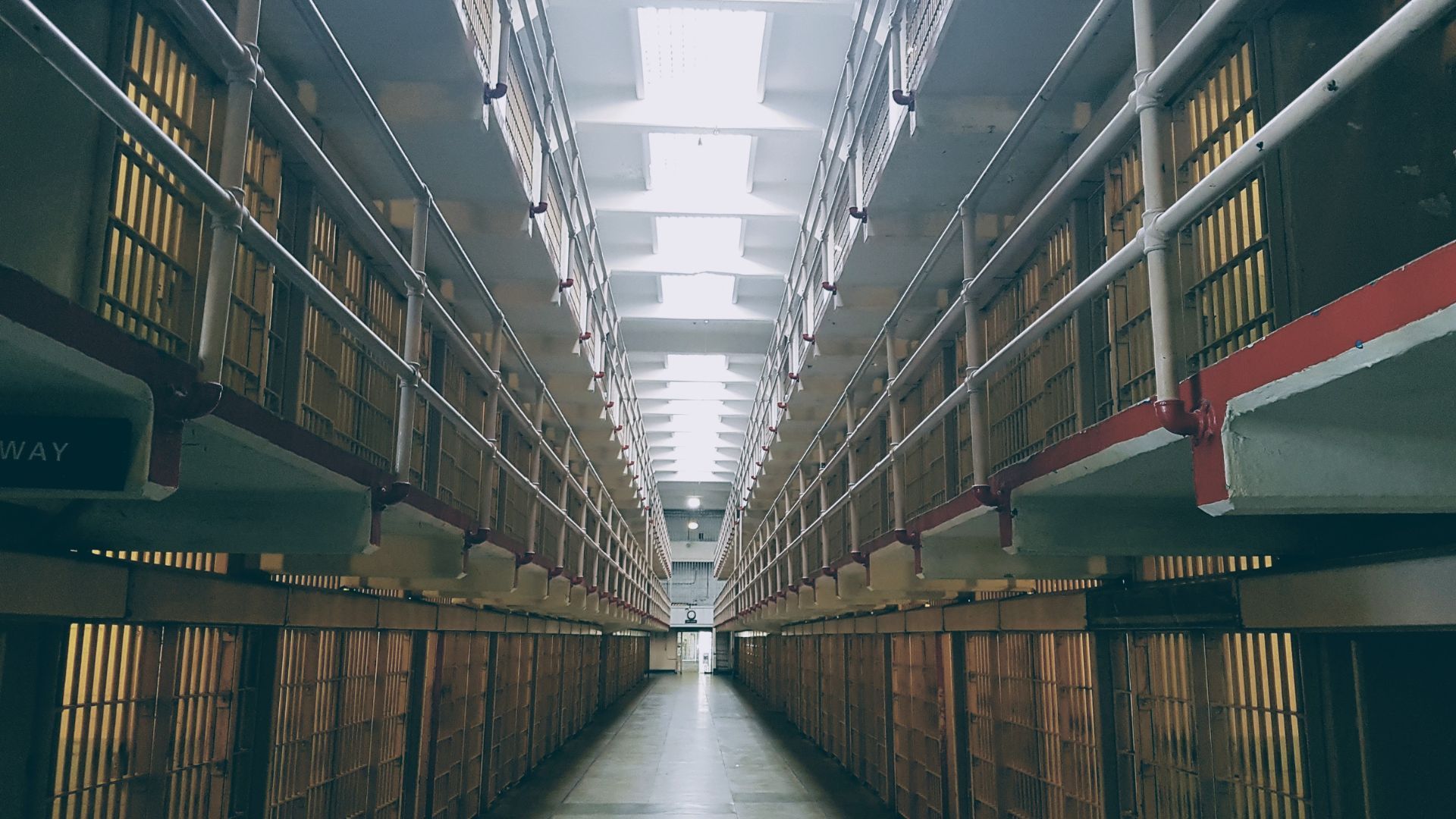
Stepping into the grim realities of the past can be a profoundly unsettling, yet strangely compelling, experience. Dark tourism, while often triggering, offers unique opportunities for reflection and understanding. This exploration delves into the contrasting visitor experiences at two vastly different sites, highlighting their distinct approaches to preserving history and the impact on those who venture within.Visitors to these locations grapple with a complex mix of emotions – from morbid fascination to profound sorrow.
The sites, each imbued with their own unique stories, offer vastly different emotional journeys and learning opportunities. The preservation and memorialization methods used at each location profoundly shape the visitor experience.
Emotional Impact and Learning Opportunities
The emotional impact of dark tourism sites varies greatly. Some, like concentration camps, evoke a visceral sense of loss and injustice, leaving visitors profoundly moved and often struggling to comprehend the sheer scale of human suffering. Others, like historical battlefields, focus more on the strategic and political aspects, allowing visitors to understand the motivations and consequences of conflict. This difference in approach greatly affects the visitor experience, influencing the depth of learning and emotional response.
Preservation and Memorialization
Sites utilize varied methods to preserve and memorialize the past. Some, such as museums dedicated to victims of historical tragedies, focus on preserving artifacts and personal accounts, allowing visitors to connect with the human stories behind the events. Others, like memorials dedicated to fallen soldiers, might employ more symbolic approaches, focusing on the enduring spirit of sacrifice and resilience.
The chosen method directly impacts the visitor’s understanding and emotional engagement.
Activities and Experiences
The available activities at each site play a crucial role in shaping the visitor experience. At some sites, guided tours offer valuable insights from historians and experts, providing context and deepening the visitor’s understanding. Self-guided exploration allows visitors to personalize their experience, perhaps focusing on aspects that resonate most strongly with them. This range of activities ensures a tailored experience that caters to various learning styles and emotional needs.
Comparison Table
| Location | Activities | Atmosphere | Visitor Feedback |
|---|---|---|---|
| Auschwitz-Birkenau Memorial and Museum | Guided tours, multimedia exhibits, self-guided exploration of the camp grounds, workshops, educational programs | Overwhelming, somber, deeply moving. The sheer scale of the atrocities creates a palpable sense of loss and sorrow. | “Viscerally impactful, but also deeply moving. The experience helped me understand the enormity of the Holocaust.” |
| Gettysburg National Military Park | Guided tours, battlefield walks, historical reenactments, museums, visitor centers, self-guided tours. | Quiet, reflective, historically rich. The landscape itself bears witness to the battles, and the atmosphere conveys a profound sense of respect for those who fought. | “A sobering experience, but also inspiring. It provided a tangible link to the American Civil War.” |
The Impact of Dark Tourism
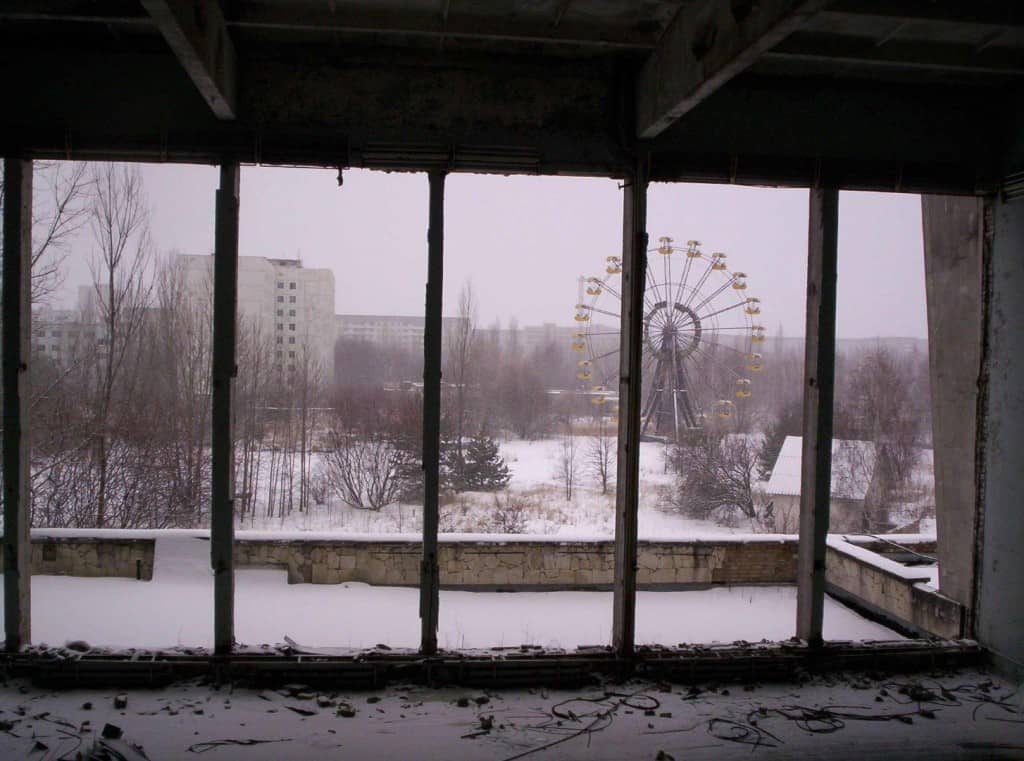
Dark tourism, a peculiar but fascinating phenomenon, draws visitors to sites steeped in tragedy, violence, or historical trauma. While offering a unique perspective, it’s a complex field with both potential benefits and pitfalls. Understanding these impacts is crucial for responsible tourism and meaningful engagement with the past.Exploring the past, especially the darker chapters, can lead to a deeper understanding of human experience and the forces that shape our world.
However, this journey can be fraught with sensitivity, requiring careful consideration of the local community’s perspective.
Potential Positive Impacts on Communities
Dark tourism can inject much-needed revenue into local economies, fostering development and job creation. Sites like Auschwitz-Birkenau, for example, have demonstrated the power of historical preservation and memorialization to educate visitors about the dangers of unchecked hatred and authoritarianism. These experiences, carefully curated, can foster empathy and prevent similar atrocities in the future.
Potential Negative Impacts on Communities
Unfortunately, the dark side of dark tourism is not always as straightforward as its financial gains. Commodification of suffering, if not handled with sensitivity, can be deeply disrespectful to those who endured the trauma associated with the site. The pressure to maximize profits can lead to a superficial treatment of history, overshadowing the real stories and needs of the local communities.
The Role of Preservation and Memorialization
Preservation and memorialization play a vital role in dark tourism destinations. Museums, memorials, and historical sites must be more than just tourist attractions; they should be spaces for reflection, education, and healing. Effective memorialization requires engaging with local communities and respecting their perspectives, not just those of the tourists. The design and presentation of these spaces must strike a delicate balance between commemorating the past and respecting the ongoing needs of the present.
Economic Effects on Local Economies
The economic impact of dark tourism is multifaceted. From increased tourism spending to job creation in the hospitality and cultural sectors, it can be a substantial boon. However, this positive effect needs to be carefully managed. Profit must not be prioritized above the needs of the local communities. Sustainable development initiatives, alongside revenue-sharing models, can ensure that the benefits are distributed equitably.
Balancing Tourist Needs and Community Sensitivities
Careful planning and community engagement are essential to balancing the needs of tourists with the sensitivities of local communities. This involves creating visitor guidelines that respect the solemnity of the sites, providing accurate historical information, and engaging in meaningful dialogue with local residents. This collaborative approach ensures that the dark tourism experience is respectful and contributes positively to the local community.
Resources for Learning More
- The International Council on Monuments and Sites (ICOMOS): ICOMOS is a global organization that promotes the preservation and conservation of cultural heritage sites. Their work often includes insights into responsible tourism and the ethical considerations of dark tourism. (https://www.icomos.org/)
- UNESCO World Heritage Centre: UNESCO plays a critical role in safeguarding cultural heritage worldwide, often including sites with significant historical or social trauma. Their website provides valuable resources and information. (https://whc.unesco.org/)
- Local Community Organizations: Often, local organizations dedicated to history, culture, or social justice in a specific region can offer unique perspectives and insights. Seeking out these groups can enrich the understanding of the historical context.
Frequently Asked Questions
What’s the difference between dark tourism and regular tourism?
Dark tourism centers around sites with a significant historical or cultural impact, often associated with death, disaster, or tragedy. Regular tourism, on the other hand, focuses on leisure and enjoyment, with less emphasis on these heavy themes.
Are dark tourism destinations always depressing?
Not necessarily! While some destinations focus on tragic events, others explore fascinating historical periods or showcase resilience in the face of adversity. It’s a mix of grim and inspiring.
How can I support local communities while visiting a dark tourism destination?
Look for opportunities to spend money at local businesses, purchase souvenirs from local artisans, and engage in conversations with locals to understand their perspective. Respect the local culture and history.
What safety precautions should I take when visiting a dark tourism destination?
Research the specific destination thoroughly. Be aware of your surroundings, tell someone your itinerary, and prioritize your safety. Check for any advisories or potential hazards.


