Snag Stunning Travel Photos Tips
Ever wished your travel pics could scream “Wow!” instead of “Meh?” Well, buckle up, photo enthusiasts! This isn’t your grandma’s travel photography guide. We’re diving deep into the art of capturing breathtaking moments, from mastering composition to nailing the perfect shot in any light. Get ready to transform your snaps from so-so to seriously stunning!
This comprehensive guide breaks down the essential elements of travel photography, equipping you with the knowledge and techniques to immortalize your adventures in a way that truly captivates. From mastering lighting to selecting the perfect gear, we’ll cover it all. So, grab your camera, and let’s embark on this photographic journey!
Composition Techniques
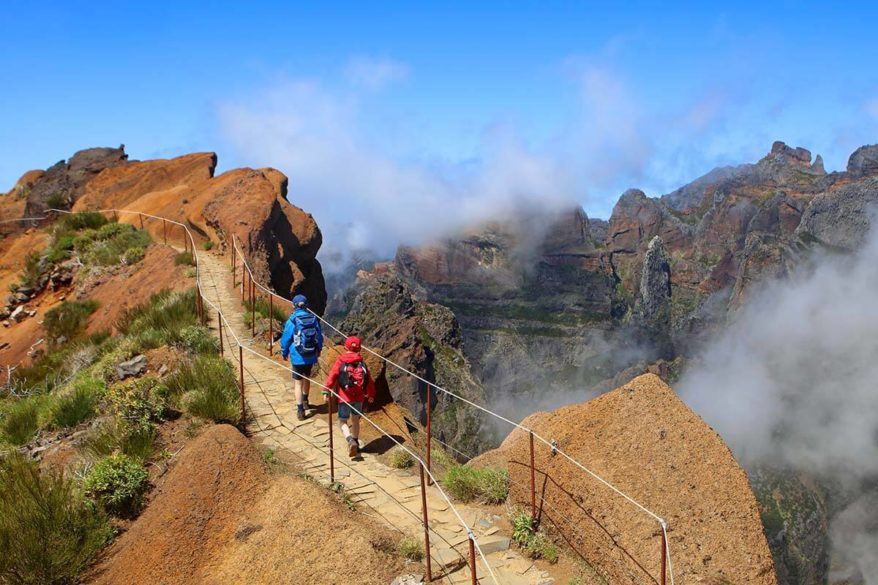
Unlocking the secrets of captivating travel photos isn’t about just pointing and clicking; it’s about mastering the art of composition. Forget the “tourist trap” shots; let’s elevate your travel photography to a whole new level. Learn the rules, bend them, and watch your photos transform from ordinary snapshots to extraordinary works of art.
Composition Rules for Travel Photography
Travel photography thrives on capturing the essence of a place. Knowing how to arrange your subjects within the frame can significantly enhance the storytelling power of your images. Mastering a few key composition rules will take your travel photos from “pretty good” to “wow.”
- The Rule of Thirds: This fundamental rule suggests dividing your frame into nine equal sections using two horizontal and two vertical lines. Placing key elements along these lines or at their intersections creates a more visually appealing and dynamic composition. Think of it as a grid overlaying your viewfinder. Placing a subject, like a majestic mountain, on one of these lines will naturally draw the viewer’s eye to it, rather than having it centered, which can sometimes feel static.
In cityscapes, positioning a landmark on an intersection point will create a balanced and visually engaging image. In portraits, this rule helps to create a sense of depth and movement, preventing the subject from feeling stuck in the center of the frame.
- Leading Lines: Lines within a scene, whether roads, fences, or streams, can guide the viewer’s eye through the image, leading them to a focal point. These lines can create a sense of depth and direction, drawing the viewer into the scene. A winding road disappearing into the distance in a landscape photograph, or the converging lines of a city street leading to a monument, are examples of leading lines that draw the eye into the image and create a sense of depth and storytelling.
In portraiture, leading lines can be used subtly, like a path through a forest that suggests the subject’s journey.
- Symmetry and Patterns: Symmetry and patterns, often found in architecture, nature, or urban settings, create a sense of harmony and balance. Capturing these elements can transform ordinary scenes into captivating images. A perfectly symmetrical building, a repeating pattern of tiles on a rooftop, or a natural phenomenon like a cascading waterfall with a mirrored reflection are examples of this rule.
In a city, the reflective surface of a glass building, or the symmetrical arrangement of street lamps, can be striking.
Common Composition Mistakes in Travel Photography
Avoiding certain mistakes can dramatically improve the quality of your travel photos.
- Unnecessary Clutter: A cluttered scene can distract from the main subject. Take a moment to carefully consider what elements to include and what to exclude to create a clean and focused image. Removing distracting elements, such as stray branches or wires, will allow the viewer to focus on the intended subject. In crowded cityscapes, look for a specific angle or perspective that minimizes the number of extraneous elements in the frame.
- Poor Framing: Incorporating unwanted elements into the frame, like telephone poles or electrical wires crossing the image, can spoil an otherwise beautiful shot. Learn to compose your images by using the frame of the scene to draw attention to the subject, and avoid framing the subject with distracting elements.
- Ignoring the Background: A blurry or distracting background can detract from the subject. Pay attention to the background and ensure it complements the main subject, rather than competing with it. In a portrait setting, a busy background can be distracting, so select a location with a more neutral or complementary backdrop.
- Over-editing: Overly edited photos can look unnatural and lose their authenticity. Keep edits subtle and focus on enhancing the natural beauty of the scene, rather than creating a completely fabricated image.
- Not Using the Available Light: Poor lighting can drastically impact the quality of your photos. Learn to use the available light effectively, either by adjusting your camera settings or by finding the best time of day to capture the scene.
| Rule Name | Description | Example Scene | Image Description |
|---|---|---|---|
| Rule of Thirds | Dividing the frame into nine equal parts and placing key elements along these lines or at their intersections. | A landscape photograph of a mountain range. | The mountain peak is positioned on one of the intersection points, drawing the viewer’s eye to it, while the surrounding landscape is used to create a sense of depth and space. |
| Leading Lines | Using lines within the scene to guide the viewer’s eye to a focal point. | A city street with converging lines leading to a landmark. | The converging lines of the street naturally lead the viewer’s eye to the prominent landmark at the end of the street, emphasizing its importance and creating a sense of depth. |
| Symmetry and Patterns | Capturing symmetrical or patterned elements to create a sense of harmony and balance. | A photograph of a symmetrical building. | The perfect symmetry of the building’s design is emphasized, creating a visually appealing and balanced image. |
Lighting and Exposure
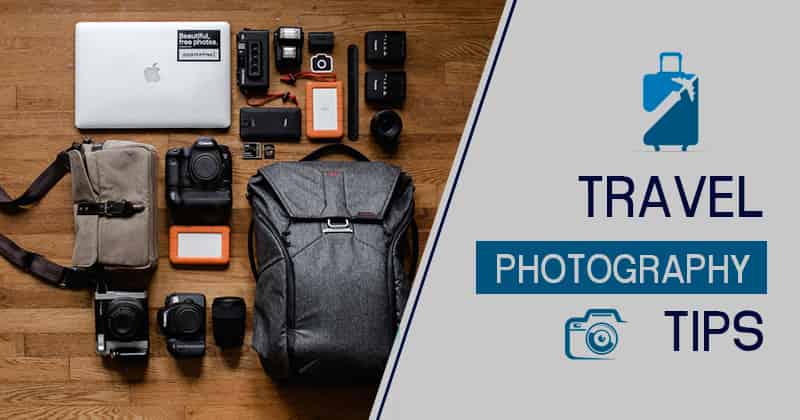
Capturing the vibrant essence of a travel destination often hinges on mastering the art of light. Just like a skilled painter uses different hues to evoke emotion, a photographer uses light to craft compelling narratives. Understanding how various light conditions affect your images and how to adjust your camera settings accordingly is paramount to transforming snapshots into breathtaking travelogues.
Let’s dive into the captivating world of light and exposure.Learning to work with different light conditions is key to capturing the mood and atmosphere of a location. Whether it’s the warm embrace of golden hour, the ethereal beauty of blue hour, or the soft diffusion of an overcast day, each light type casts a unique spell on your photographs.
This section will explore the impact of diverse light conditions and provide actionable steps to achieve well-exposed images, regardless of the time of day.
Impact of Different Light Types
Various light conditions significantly alter the look and feel of a photograph. Golden hour, with its warm, golden tones, is ideal for portraits and landscapes, lending a soft, romantic ambiance. Blue hour, on the other hand, brings a cool, mystical quality to scenes, often producing striking silhouettes and dramatic contrasts. Overcast days offer soft, diffused light, minimizing harsh shadows and making detail pop in landscapes and portraits alike.
These variations in light can be leveraged to craft unique and evocative images that reflect the specific character of a location.
Adjusting Camera Settings
Camera settings play a crucial role in achieving proper exposure in diverse lighting situations. Aperture, shutter speed, and ISO work in concert to control the amount of light reaching the camera sensor. Adjusting these settings based on the prevailing light conditions allows you to capture images with accurate tones and details. For instance, in bright sunlight, a smaller aperture (like f/16) and a faster shutter speed (like 1/500s) will prevent overexposure.
Conversely, in low-light conditions, a wider aperture (like f/2.8) and a slower shutter speed (like 1/30s) are often necessary to maintain sufficient exposure.
Metering Modes
Metering modes dictate how the camera measures light. Evaluative metering considers the entire scene, while center-weighted metering gives priority to the center portion of the frame. Spot metering focuses on a specific, small area. The best metering mode depends on the scene. For example, evaluative metering works well in scenes with mixed light conditions, center-weighted metering is suitable for portraits where the subject is centered, and spot metering is useful when you want to control exposure on a specific highlight or shadow.
Dealing with Harsh Midday Sun and Backlighting
Harsh midday sun often creates strong shadows and washed-out highlights. To mitigate this, consider shooting in the shade, using a neutral density filter, or employing fill-in flash. Backlighting, while potentially beautiful, can cause subjects to appear underexposed. Positioning your subject to receive front light, using a reflector to bounce light onto the subject, or adjusting your exposure compensation are effective techniques to counteract backlighting.
Practical Application: A Table of Settings
| Light Condition | Recommended Settings | Example Scene | Description of the Effect |
|---|---|---|---|
| Golden Hour | Aperture: f/8-f/11, Shutter Speed: 1/125-1/250s, ISO: 100-400 | A picturesque mountain range at sunset | Warm, soft light creates a romantic and inviting mood. Details are well-defined, and the scene feels bathed in a golden glow. |
| Overcast Day | Aperture: f/5.6-f/8, Shutter Speed: 1/125-1/250s, ISO: 100-200 | A vibrant street scene on a cloudy day | Soft, diffused light minimizes harsh shadows, allowing for detailed images without overly bright highlights or deep shadows. |
| Blue Hour | Aperture: f/2.8-f/4, Shutter Speed: 1/60s-1/15s, ISO: 400-1600 | A historic building silhouetted against a twilight sky | Cool, atmospheric light creates a mystical ambiance, often highlighting silhouettes and textures with a hint of drama. |
| Harsh Midday Sun | Aperture: f/11-f/16, Shutter Speed: 1/250-1/500s, ISO: 100-200 | A desert landscape under a blazing sun | Strong light creates strong shadows. Careful exposure control prevents overexposure and ensures details in the shadows are visible. |
Equipment and Post-Processing
Packing light for a trip is essential, but don’t skimp on the gear that will make your travel memories pop. A good camera and lenses are like your trusty travel companions, capturing the magic of each moment. Post-processing is the secret sauce, transforming your raw images into stunning works of art that tell a story.Armed with the right gear and a little know-how, your travel photos will transcend simple snapshots, becoming evocative narratives of your journeys.
Mastering post-processing will take your images from “okay” to “wow,” allowing you to fine-tune the mood and feel of each shot.
Essential Photography Equipment for Travel
Travel photography requires equipment that’s both powerful and portable. A compact camera with interchangeable lenses, or a dedicated travel camera, allows you to adapt to various shooting styles without lugging around a cumbersome setup. Essential accessories include a sturdy tripod for sharp images, especially in low light, and a reliable memory card to store your precious memories. A good quality carrying case will safeguard your equipment during your adventures.
Choosing the Right Lenses for Travel Photography
Different lenses cater to different photographic styles. A wide-angle lens is a must-have for capturing expansive landscapes, while a telephoto lens excels at bringing distant wildlife or architectural details closer. A versatile standard zoom lens is also a valuable asset, offering flexibility for a wide range of subjects.
Post-Processing Techniques to Enhance Travel Images
Post-processing is where the magic happens. Adjusting colors and tones can significantly impact the mood of your photos. Color grading can evoke a specific ambiance, from vibrant energy to serene calmness. Sharpening enhances detail, while noise reduction cleans up grainy images, ensuring clarity even in challenging lighting conditions. Learning these techniques will transform your snapshots into impactful narratives.
Photo Editing Software and Their Functions
A plethora of photo editing software is available. Adobe Lightroom is a popular choice for its powerful organization and editing tools. For example, Lightroom allows you to easily adjust exposure, contrast, and color saturation. Other options include Capture One, Affinity Photo, or even mobile apps like Snapseed. Each program offers a suite of functions to meet your specific needs, from basic adjustments to advanced color grading.
The best choice depends on your budget and the specific level of control you desire.
Equipment Breakdown
| Equipment Type | Description | Example Use Case | Image Effect |
|---|---|---|---|
| Wide-angle Lens | Captures expansive scenes, like landscapes and cityscapes. | Photographing a vast desert vista. | Creates a sense of grandeur and scale. |
| Telephoto Lens | Zooms in on distant subjects, great for wildlife or portraits. | Capturing a distant mountain peak. | Focuses attention on specific details. |
| Standard Zoom Lens | Offers versatility for various situations. | Capturing a street scene. | Flexibility in composing a diverse range of shots. |
| Tripod | Stabilizes the camera for sharp images, particularly in low light. | Taking a long exposure of a waterfall. | Reduces camera shake for clearer images. |
FAQ Corner
What’s the best time of day for travel photography?
Golden hour (sunrise/sunset) and blue hour (the hour after sunset/before sunrise) offer the softest, most flattering light. Midday sun, while abundant, can create harsh shadows and washed-out colors.
What kind of lenses are good for travel photography?
A versatile zoom lens (like a 24-70mm) is excellent for covering a wide range of situations. A wider-angle lens (like a 16-35mm) is ideal for landscapes and tight spaces. A telephoto lens (like a 70-200mm) can be helpful for wildlife or distant subjects.
How do I avoid overexposed photos?
Use your camera’s exposure compensation feature to adjust the light coming into the camera. Experiment with different settings to see what works best in various lighting conditions. Also, consider using your camera’s light meter.
What editing software do you recommend?
Popular choices include Adobe Lightroom, Capture One, and Photoshop. Each has its own set of features, but all offer robust tools for color grading, sharpening, and noise reduction. Free options like GIMP are also available for those on a budget.


