Dark Edinburgh Unearthing the Citys Grim Past
Step into a world of shadows and whispers, where Edinburgh’s cobblestone streets hold secrets older than time. From chilling tales of witch trials to the grim realities of past epidemics, dark tourism in Edinburgh offers a unique and often unsettling peek into the city’s tumultuous past. Prepare to be captivated by the macabre and the magnificent, as we delve into the grim and glorious history of this captivating Scottish capital.
This exploration will uncover the city’s darkest corners, revealing the fascinating figures who shaped its history, and the enduring impact of these events on Edinburgh’s present. We’ll also examine how these attractions are presented, from guided tours to interactive exhibits, and the ethical considerations involved in sharing such a sensitive history.
Edinburgh’s Dark History
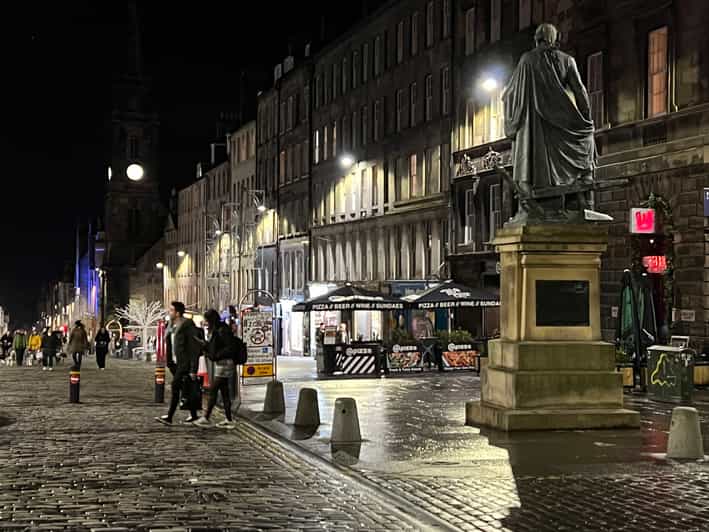
Edinburgh, a city steeped in history, boasts a captivating tapestry woven with threads of both grandeur and grim realities. Beyond the iconic landmarks and vibrant atmosphere, lies a darker undercurrent, a chronicle of witch trials, executions, and devastating epidemics. This exploration delves into the city’s shadowy past, revealing the human stories behind these dark chapters and how public perception of these events has evolved.The city’s dark history is not simply a collection of grim events; it’s a reflection of the societal norms, fears, and prejudices of past eras.
Understanding these events provides a richer context for appreciating the city’s present-day character.
Significant Historical Events
Edinburgh’s history is punctuated by a series of significant historical events that shaped its character and left an indelible mark on its soul. These events, while often grim, offer valuable insights into the past. From the brutal witch hunts that gripped the city to the devastating epidemics that swept through its streets, Edinburgh’s past reveals a complex and multifaceted reality.
- The witch trials of the 17th and 18th centuries, fueled by superstition and fear, saw numerous individuals accused and executed for alleged witchcraft. These trials often involved elaborate accusations and spectral evidence, showcasing the society’s vulnerability to mass hysteria and paranoia. The infamous “witch trials” of the period reveal a darker side of human nature and the power of fear to drive horrific injustices.
A chilling testament to the brutality of the time.
- Edinburgh, like many cities, suffered from recurring epidemics. The plague, cholera, and other diseases ravaged the population, leaving behind a trail of suffering and death. These epidemics highlight the vulnerability of the populace to disease and the limitations of medical knowledge in those eras. Imagine the terror and despair that gripped the city during these dark periods.
- Executions, a stark reality of the past, were a common occurrence in Edinburgh’s public squares. These public displays of punishment served a dual purpose: deterring potential criminals and reinforcing social order. These public spectacles often involved brutal methods and were a grim reminder of the harsh justice system of the time.
Notable Figures
Certain individuals played pivotal roles in these dark chapters of Edinburgh’s history. Their actions, motivations, and legacies remain subjects of debate and discussion even today.
- Figures like the infamous witch-hunters, magistrates presiding over trials, and the executioners themselves all bear responsibility for the events. Their actions shaped the narrative of these dark periods. Understanding their roles provides a glimpse into the dynamics of power and the human capacity for both cruelty and injustice.
- The victims of these historical events – accused witches, plague victims, and executed criminals – often remain nameless or their stories obscured. Remembering them is crucial to acknowledging the human cost of these events.
Evolution of Public Perception
Public perception of these dark events has evolved significantly over time. Early accounts often focused on sensationalism and fear, while later interpretations often emphasized the social and political contexts that shaped these occurrences.
- The early perception of witch trials, for instance, was often steeped in fear and superstition. However, modern historians and scholars have sought to understand the trials in the context of their time, acknowledging the social and political factors that contributed to the accusations. This evolution in understanding has led to a more nuanced and balanced perspective on these historical events.
- Similarly, the public perception of epidemics has evolved over time. Early accounts often focused on the immediate suffering and mortality, while modern research has broadened the perspective to include the social, economic, and medical factors that contributed to the outbreaks. This shift in perspective allows us to learn from the past and prepare for future challenges.
Comparison of Dark Tourism Sites
| Site | Event | Dates | Impact |
|---|---|---|---|
| Edinburgh Tolbooth | Executions | 16th-19th centuries | Served as a significant site of public punishment, reinforcing social order and deterring crime. |
| Greyfriars Kirkyard | Witch Trials and Epidemics | 17th-18th centuries | Site of numerous burials during witch trials and epidemics, reflecting the city’s vulnerability to these events. |
| The Old Surgeons’ Hall | Medical History | 18th-19th centuries | A museum showcasing the medical practices and anatomical discoveries of the past. Provides a glimpse into the medical advancements of the time and the evolution of surgical techniques. |
Attractions & Experiences

Edinburgh, a city steeped in history, offers a captivating array of dark tourism experiences. From chilling tales of murder to the haunting echoes of the past, these attractions provide a unique and often unsettling glimpse into the city’s darker side. These experiences go beyond simple historical facts, weaving narratives that draw visitors into the atmosphere of the era, allowing them to connect with the human stories behind the events.The city’s dark history is expertly presented through diverse attractions, each offering a unique approach to exploring Edinburgh’s grim past.
These attractions aren’t just about recounting tragic stories; they’re about understanding the human condition and the complexities of history.
Popular Dark Tourism Attractions
Edinburgh boasts a wealth of dark tourism attractions, each with its own distinct character and appeal. These locations are popular destinations for visitors seeking to delve into the city’s grimmer chapters. From the chilling tales of the past to the macabre details, these sites draw in visitors eager to experience Edinburgh’s dark side.
- Edinburgh Castle: This iconic landmark offers a multitude of experiences, ranging from guided tours that explore its history, including its use as a prison and site of executions, to exhibitions showcasing artifacts and weaponry from the castle’s tumultuous past. The castle’s imposing architecture and grim history create an atmosphere that is both awe-inspiring and unsettling. The imposing walls, echoing chambers, and tales of those who met their end within its confines contribute significantly to the experience.
- Greyfriars Kirkyard: Famous for its haunted atmosphere and the resting places of historical figures, Greyfriars Kirkyard offers guided tours and interactive displays that shed light on the area’s fascinating past, including its association with infamous characters and the mysteries surrounding the site. Visitors can wander through the eerie graveyard, absorbing the tales and legends whispered within its walls. The eerie atmosphere, the ancient stones, and the chilling stories make this a truly memorable experience.
- The Scottish National War Museum: Though not exclusively focused on Edinburgh’s dark past, this museum offers a comprehensive exploration of war, including the devastating impact of conflict on the city and the wider region. The exhibits present a visceral look at the human cost of war, with displays of weaponry, uniforms, and personal accounts that bring the conflict to life. The powerful exhibits, along with the evocative atmosphere of the museum, offer a sobering experience.
- Edinburgh’s Prisons: Several former prisons in Edinburgh, including the notorious Edinburgh Tolbooth, offer unique insights into the city’s judicial system and the treatment of criminals in past centuries. Guided tours often include interactive displays and historical interpretations of the prison’s past inhabitants. The chilling architecture and the stories of those who spent time within its walls make for an unsettling yet compelling experience.
The dark interiors and grim atmosphere of these locations enhance the visitor’s immersion in the past.
- The Royal Mile: While not a single attraction, the Royal Mile itself is a potent dark tourism experience. Many buildings along the Royal Mile hold tales of murder, betrayal, and historical intrigue. Guided walking tours frequently highlight these stories, offering a glimpse into the lives of those who walked these streets centuries ago. The sheer length and density of historical events along the Royal Mile enhance the experience.
Comparing Approaches to Presenting Dark History
The various attractions in Edinburgh adopt different approaches to presenting their dark history. Some focus on the macabre details, while others emphasize the human stories behind the events. This variety allows visitors to choose the approach that resonates most with them. The methods employed at each site contribute to the overall experience.
Top 5 Dark Tourism Sites in Edinburgh
| Attraction | Description | Target Audience | Unique Selling Points |
|---|---|---|---|
| Edinburgh Castle | Historic fortress with a rich and complex history, including periods as a prison and site of executions. | History buffs, families, and those interested in military history. | Iconic location, extensive exhibits, and guided tours. |
| Greyfriars Kirkyard | Historic graveyard with a dark atmosphere and tales of the supernatural. | Those interested in history, folklore, and the macabre. | Unique atmosphere, guided tours, and legends associated with the site. |
| Scottish National War Museum | Museum dedicated to the history of war, with exhibits focusing on the human cost of conflict. | Those interested in military history, social history, and conflict. | Comprehensive collection of artifacts and personal accounts. |
| Edinburgh Tolbooth | Former prison with a history of holding criminals and notorious figures. | History enthusiasts and those fascinated by the criminal justice system. | Immersive experience in a historic prison environment. |
| Royal Mile | Historic street with many buildings holding dark historical events. | History enthusiasts, walking tour lovers, and those interested in local stories. | Opportunity to experience a rich historical environment and local tales. |
The Role of Physical Space
The physical spaces of these attractions play a significant role in enhancing the overall experience. The architecture, interiors, and ambiance of each site contribute to the narrative, creating a more immersive and unforgettable journey through Edinburgh’s dark past. The design and construction of these locations contribute to the emotional impact of the stories they tell.
Impact & Considerations
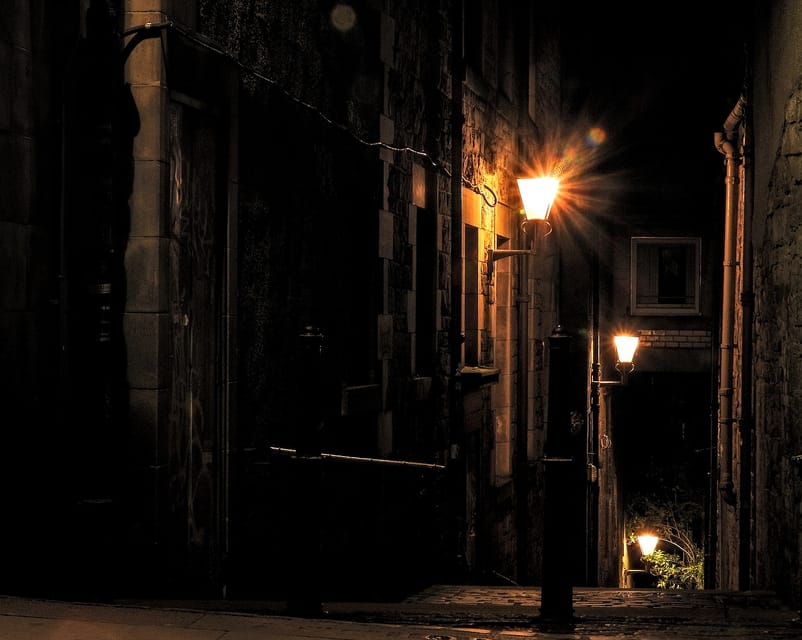
Edinburgh’s dark past, a tapestry woven with tales of tragedy and triumph, beckons dark tourism enthusiasts. But this morbid fascination must be approached with a delicate hand, considering the potential ripples it casts on the city and its people. A well-curated dark tourism experience can act as a potent tool for historical preservation, but poorly executed ventures can inflict more harm than good, turning solemn reflections into insensitive spectacles.The allure of the macabre, the morbid fascination with the past, often leads to economic benefits.
However, it’s crucial to recognize that these benefits are not guaranteed, and the financial gains must be carefully managed, ensuring they don’t overshadow the genuine preservation of the historical context and the sensitivity of the stories. Think of it like a delicate flower; nurture it with respect and understanding to foster its beauty, not with reckless disregard for its fragility.
Economic Impact of Dark Tourism
Dark tourism can generate substantial revenue for Edinburgh, attracting tourists from across the globe. Increased visitor spending can boost local businesses, creating jobs and stimulating the economy. However, this potential economic boost must be carefully balanced with the needs of the local communities. Attractions should strive to ensure a fair distribution of the benefits, potentially through partnerships with local businesses and community initiatives.
For example, consider how a percentage of the proceeds could be channeled to support community projects or educational programs, enriching the city for everyone.
Preservation of History
Dark tourism can play a vital role in preserving Edinburgh’s historical legacy. By focusing on the city’s less celebrated, often forgotten chapters, dark tourism encourages a deeper understanding of the past. This increased awareness can motivate preservation efforts, encouraging historical research and the restoration of important sites. However, it’s critical that such initiatives respect the historical context and avoid misinterpretations or sensationalizations.
Impact on Local Communities
Edinburgh’s dark past is inextricably linked to its local communities. Dark tourism attractions should strive to understand and acknowledge the impact of these events on the people who live there today. By involving local historians, community leaders, and descendants of those affected, attractions can ensure their narratives are sensitive and respectful. This includes avoiding the perpetuation of harmful stereotypes or misconceptions about the city’s residents.
Authentic and respectful interactions can transform dark tourism from a morbid curiosity to a powerful tool for reconciliation and understanding.
Ethical Presentation of Historical Events
Ensuring historical accuracy and ethical presentation is paramount in dark tourism. Attractions should strive for accuracy in their narratives, avoiding sensationalism or misrepresentation. This includes consulting with historians and experts, incorporating diverse perspectives, and acknowledging the limitations of the available historical record. A well-researched and critically evaluated narrative is crucial for maintaining the integrity of the historical events.
Examples of Sensitive Storytelling
Many museums effectively combine historical accuracy with sensitive storytelling. The Edinburgh Military Tattoo, while not exclusively a dark tourism attraction, offers a captivating blend of history, entertainment, and respect. By incorporating multiple perspectives and using various media like video footage, written accounts, and audio guides, these attractions can convey the past in a way that is both engaging and respectful.
“Ethical dark tourism requires a deep understanding of the historical context and the people affected, ensuring the stories are told accurately and with respect.”
Ethical Considerations for Dark Tourism Attractions
- Respectful Language and Representation: Avoid language that trivializes or exploits sensitive events. Instead, use language that acknowledges the gravity of the events while striving for clarity and understanding. For example, instead of “gruesome murders,” use “violent deaths” to maintain a respectful tone.
- Community Involvement: Engage with local communities and historians to ensure the narratives are accurate and sensitive. Consider forming partnerships with local organizations to ensure community input and input from descendants of those affected.
- Accurate Historical Context: Ensure that historical events are presented within their broader context, including political, social, and economic factors. Avoid oversimplification or misrepresentation.
- Avoid Sensationalism: Focus on providing a factual and sensitive account of the events, avoiding sensationalized or overly dramatic portrayals that could be insensitive or exploit the history.
- Financial Transparency: Ensure that any financial benefits generated by the attraction are fairly distributed and contribute to the preservation of the historical site and/or support local initiatives.
Commonly Asked Questions
What are some lesser-known dark tourism sites in Edinburgh?
While the Greyfriars Kirkyard and Edinburgh Castle are popular, exploring the forgotten graveyards and hidden passages of the Old Town reveals a different side of Edinburgh’s history. These less-visited spots often offer a more intimate and reflective experience.
How can I ensure I’m not contributing to the commodification of dark history?
Respectful engagement is key. Seek out attractions that prioritize accurate historical accounts and sensitive storytelling. Engage with the stories presented without reducing the victims and events to mere spectacle. Remember that history is not just about the ‘dark’ but also the people affected by it.
Are there any accessible options for visitors with disabilities?
Many attractions are working to improve accessibility. Always check the specific site’s accessibility information before your visit. Some sites may offer audio guides or alternative viewing options, so it’s always worth inquiring.
What’s the best time to visit for a dark tourism experience?
While Edinburgh is vibrant year-round, shoulder seasons (spring and autumn) offer a pleasant balance between crowds and the stunning Scottish weather. This provides a more intimate and less overwhelming experience of the city’s historical sites.


