Dark Tourist Attractions Unveiling the Shadows
Ever wondered what lurks beneath the surface of history? Welcome to the macabre and mesmerizing world of dark tourist attractions! From battlefields steeped in tragedy to sites of unspeakable horrors, these destinations offer a unique, albeit unsettling, glimpse into the past. It’s a journey that challenges our perceptions, prompting us to confront uncomfortable truths and perhaps, even discover unexpected beauty amidst the darkness.
This exploration delves into the history, experiences, and ethical considerations surrounding dark tourism. We’ll examine the motivations of those who seek out these often-overlooked sites, the emotional impact on visitors, and the potential for both positive and negative consequences for the local communities. Prepare to confront the shadows and learn from the stories they tell.
Dark Tourist Attractions
From the haunting echoes of history’s tragedies to the macabre allure of crime scenes, dark tourism offers a fascinating, albeit unsettling, glimpse into humanity’s darker side. It’s a peculiar blend of morbid fascination and historical understanding, where the desire to confront the grim realities of the past intertwines with a thirst for knowledge and experience. This exploration of the macabre isn’t simply about sensationalism; it often delves into important social, political, and cultural contexts.This morbidly intriguing phenomenon isn’t a recent development; it’s a complex tapestry woven from threads of human curiosity and a desire to confront uncomfortable truths.
The motivations behind visiting these sites are as varied as the sites themselves, ranging from academic research to personal reflection and even, dare we say, a touch of morbid entertainment.
Historical Overview of Dark Tourism
The concept of dark tourism emerged gradually, evolving from simple pilgrimages to sites of historical significance to a more structured and recognized form of travel. Early examples can be found in the fascination with battlefields and sites of historical violence. The desire to understand the past, both glorious and grim, has always been a driving force in human exploration.
This evolved into a more formalized approach, fueled by advancements in travel and communication technologies.
Social and Cultural Factors Influencing Dark Tourism
Several social and cultural factors have contributed to the rise of interest in dark sites. A growing interest in history and social studies, coupled with the rise of documentaries and media focusing on these events, has undoubtedly played a role. The internet, with its vast repository of information, has democratized access to these stories, allowing individuals to explore the grim realities of the past from the comfort of their own homes.
The human fascination with the unusual and the macabre also contributes to the phenomenon.
Types of Dark Tourist Attractions
Dark tourism encompasses a diverse range of locations, each with its unique history and context. From the stark reminders of war and conflict to the chilling tales of historical tragedies and the unsettling remnants of criminal activity, dark sites offer a compelling, albeit often disturbing, perspective on human experience.
- War Sites: Battlefield tours and memorials serve as poignant reminders of the human cost of conflict. Visitors gain a profound understanding of the devastation and sacrifice associated with war, often seeking a connection with the past through memorials, museums, and other related sites.
- Historical Tragedies: Sites associated with mass disasters, such as shipwrecks, natural disasters, or genocides, offer opportunities to confront the profound impact of such events. These sites often serve as poignant memorials, prompting reflection and remembrance.
- Crime Scenes and Prisons: The allure of crime scenes and prisons lies in their ability to provide insights into criminal behavior, social structures, and the mechanisms of justice. While often unsettling, these sites can be valuable learning opportunities.
Motivations of Dark Tourists
The motivations behind dark tourism are multifaceted and often intertwined. Unlike typical tourists seeking relaxation or leisure, dark tourists are driven by a desire to learn, understand, and reflect on significant historical events. They seek to confront the grim realities of the past and often seek a profound understanding of the human condition.
- Historical Understanding: A key motivation for many dark tourists is the pursuit of deeper historical understanding. They seek to connect with the past, understand the context of events, and gain a comprehensive view of history.
- Personal Reflection: The stark realities of dark sites can spark personal reflection on mortality, human nature, and the consequences of actions.
- Morbid Curiosity: While often overshadowed by other motivations, morbid curiosity also plays a role. The fascination with the unusual and the macabre is a powerful human impulse that draws people to dark sites.
Comparison of Dark Tourist Motivations
Dark tourists are distinct from other tourists. While both groups are interested in travel and experience, dark tourists are driven by a unique blend of curiosity, reflection, and a desire to confront uncomfortable truths.
Common Themes and Characteristics of Dark Tourist Destinations
| Location | Event | Type | Key Attraction | Target Audience |
|---|---|---|---|---|
| Hiroshima, Japan | Atomic Bombing | Historical Tragedy | Hiroshima Peace Memorial Park | History buffs, peace activists, individuals seeking reflection |
| Auschwitz-Birkenau, Poland | Nazi Concentration Camp | Historical Tragedy | Auschwitz Memorial and Museum | History enthusiasts, Holocaust survivors, students, those interested in understanding the atrocities of the past |
| Battlefields of World War I | World War I | War Site | Various battlefields and memorials across Europe | History buffs, military enthusiasts, those interested in understanding the impact of war |
| The Titanic Wreck Site | Titanic Disaster | Historical Tragedy | Titanic wreck site | History buffs, those interested in maritime history, adventure seekers |
Experiences and Impacts of Dark Tourism
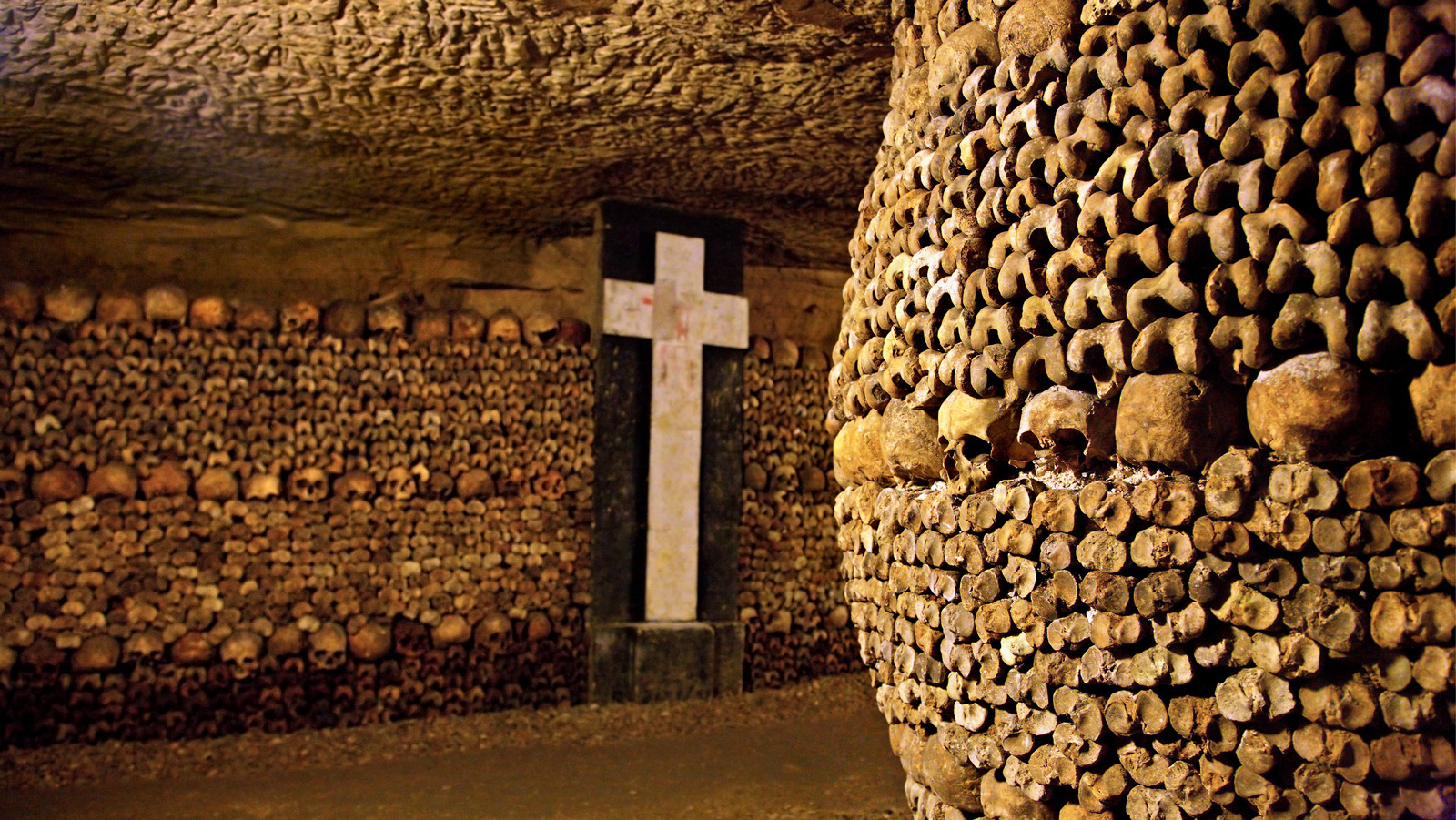
Stepping into the shadows of history, dark tourism offers a unique, albeit unsettling, perspective on the human condition. From the haunting echoes of tragic events to the chilling reminders of societal failings, these sites provide a potent mix of fascination and unease. The emotional and psychological responses are diverse, ranging from morbid curiosity to profound reflection.The journey through dark tourism is not simply a trip to a place; it’s a journey into the collective memory, a confrontation with the past, and a contemplation of the present.
This exploration can illuminate not only the darkest chapters of history but also the resilience and adaptability of the human spirit. It is a complex experience, one that requires sensitivity and understanding to navigate properly.
Emotional and Psychological Responses of Visitors
Visitors to dark tourist sites experience a wide range of emotional responses, from fascination and morbid curiosity to discomfort and even trauma. The intensity of these responses varies greatly depending on individual factors such as personal experiences, cultural background, and the nature of the site itself. For some, the experience can spark reflection on societal issues and personal values, while others might find it unsettling or triggering.
The emotional impact is often a mix of powerful emotions, a poignant blend of awe and apprehension.
Dark Tourism and Historical Learning
Dark tourism can be a powerful tool for historical learning, providing a visceral and often unforgettable context for understanding historical events. For instance, the sites of mass atrocities or political conflicts offer a unique opportunity to engage with the past in a way that traditional museums or textbooks might not. By physically experiencing the aftermath, visitors gain a deeper understanding of the circumstances that led to these events and the consequences they had on individuals and communities.
Dark Tourism and Healing and Reconciliation
In some cases, dark tourism can contribute to healing and reconciliation, fostering empathy and understanding between different groups. Memorial sites and museums dedicated to historical injustices can serve as platforms for dialogue and reflection, enabling communities to confront their past and move towards a more peaceful future. This is not always straightforward, however, and the potential for re-traumatization or perpetuation of conflict needs careful consideration.
Potential Negative Impacts on Local Communities
The commodification of pain is a significant concern for local communities. Dark tourism can potentially transform sites of trauma into attractions, potentially trivializing the suffering of those affected. Furthermore, disrespectful or insensitive visitor behavior can cause further pain and distress to those who still bear the scars of the past. The delicate balance between honoring the past and preventing further harm requires careful management and sensitivity.
Comparing Positive and Negative Impacts of Dark Tourism
| Community | Positive Impact | Negative Impact |
|---|---|---|
| Communities Affected by Genocide | Increased awareness and understanding of historical atrocities, potentially fostering healing and reconciliation. | Commodification of suffering, potential for re-traumatization, disrespectful behavior from tourists. |
| Communities with War Memorials | Preservation of historical memory, increased tourism revenue that can support local businesses and infrastructure. | Over-commercialization of memorials, disrespect for the sites and the memories they represent, insensitive behavior. |
| Communities with Sites of Political Repression | Opportunity to learn about oppressive systems and their impact on individuals and societies, promoting civic education. | Potential for exploitation of the past, lack of respectful interpretation of events, and financial gains may not benefit the local community directly. |
Methods for Managing Dark Tourist Sites
Effective management of dark tourist sites requires a multi-faceted approach that balances preservation with visitor experience. Strategies for preservation include maintaining the historical integrity of the site, ensuring its physical protection, and employing ethical guidelines for interpretation. Interpretation strategies should aim to provide visitors with a respectful and sensitive understanding of the events that took place, avoiding sensationalism or trivialization.
Careful visitor management is also key, potentially through controlled access, educational programs, and guidelines for appropriate behavior.
Ethical Considerations and Future Trends

Stepping into the macabre realm of dark tourism requires more than just a morbid curiosity. It demands a delicate balance between honoring the past and respecting the present. The ghosts of history whisper tales, but we must listen with empathy and understanding, not just morbid fascination. This exploration delves into the ethical complexities and promising future directions of this intriguing niche in travel.The allure of the dark past, from infamous historical events to tragic accidents, can be both captivating and unsettling.
Understanding the ethical boundaries is crucial to ensuring that such journeys serve a purpose beyond mere sensationalism.
Ethical Considerations Surrounding Dark Tourism
Respect for victims and their families is paramount in dark tourism. Commercializing tragedy or exploiting sensitive subjects is unacceptable. Instead, visitors should approach these sites with a mindful awareness of the pain and suffering endured by those affected. A deep understanding of the historical context, alongside sensitivity, is key.
Role of Responsible Tourism Practices
Responsible tourism practices are essential in mitigating the negative impacts of dark tourism. Careful curation of narratives, clear educational materials, and the implementation of visitor guidelines can help prevent the trivialization of traumatic events. Local communities should be actively involved in the development and management of these attractions, ensuring their needs and perspectives are considered.
Key Considerations for Responsible Dark Tourism
- Prioritizing the well-being of victims’ families and communities affected by the events is essential. Their input and perspectives should be actively sought and valued.
- Curating accurate and respectful narratives is critical. Focus on education, not sensationalism. Historical context and perspectives should be presented in a nuanced and empathetic way.
- Implementing visitor guidelines that promote respectful behavior is crucial. Setting clear expectations regarding appropriate conduct, including photography restrictions and avoidance of disrespectful actions, can significantly enhance the experience for everyone.
- Supporting local communities economically and culturally is a vital aspect of responsible tourism. Local businesses and artisans should benefit from the influx of visitors.
Future Trends in Dark Tourism
Dark tourism is constantly evolving. As the digital age continues to reshape how we access and interpret history, new destinations are emerging, drawing on the enduring appeal of the past. Examples include sites related to forgotten conflicts, lesser-known genocides, and the impact of societal failures. Motivations for dark tourism are also diversifying. While the desire for the macabre remains, a growing number of travelers are seeking opportunities to learn from the past and reflect on broader social issues.
Creating an Ethical Framework for Managing Dark Tourist Attractions
Developing a clear ethical framework is crucial for responsible management. This framework should incorporate guidelines for sensitive storytelling, visitor behavior, community engagement, and profit sharing. Transparency and open communication are vital for building trust and preventing exploitation.
Utilizing Dark Tourism to Educate Visitors
Dark tourism can be a powerful tool for education. By carefully crafted narratives and engaging exhibits, visitors can learn about crucial historical events, social issues, and personal responsibility. This can lead to a deeper understanding of the past and foster a greater appreciation for the present. For example, a museum dedicated to a historical injustice can include artifacts, personal accounts, and discussions on how such events can be avoided in the future.
Questions Often Asked
What are some common misconceptions about dark tourists?
Some people assume dark tourists are morbid or insensitive. However, many are genuinely interested in understanding history, learning from past mistakes, and fostering healing and reconciliation. They’re often seeking deeper insights and a more complete understanding of the human experience.
How can dark tourism be used to promote reconciliation?
By carefully preserving and interpreting these sites, we can offer a platform for dialogue and reflection. Appropriate memorials and educational programs can help communities come to terms with difficult events, promoting understanding and ultimately, reconciliation.
What is the role of local communities in managing dark tourism?
Local communities play a vital role in shaping how dark tourist attractions are managed. Their input and perspectives are essential for ensuring that the sites are preserved respectfully, without commodifying or disrespecting the memories and experiences of those affected.
Can dark tourism be ethical?
Absolutely. Ethical dark tourism involves respecting the local community, honoring victims, and avoiding sensationalism. By prioritizing sensitive and responsible practices, dark tourism can offer valuable educational opportunities while minimizing potential harm.


